 French
  English
  Spanish
  Arabic
  Portuguese
  Russian
  German
  Korean
  Japanese
  Italian
  Turkish
  Vietnamese
  Thai
Thai  Indonesian
  Dutch
Dutch  Hebrew
Polyester sewing thread is an essential component in various industries, including textile, garment manufacturing, and industrial product assembly. Its high strength, durability, and versatility make it indispensable for creating long-lasting seams in a wide range of applications.
Among the diverse polyester sewing threads available, Polyester sewing thread 30/2 and Polyester sewing thread 30/3 hold significant positions in the market. These threads are designed to meet specific requirements for durability and performance, making them popular choices for industries that demand robust and reliable stitching solutions.
Both Polyester sewing thread 30/2 and Polyester sewing thread 30/3 are widely used across various sectors due to their excellent balance of strength, flexibility, and cost-effectiveness. Their ability to withstand rigorous use and environmental exposure makes them ideal for applications where seam integrity is crucial.
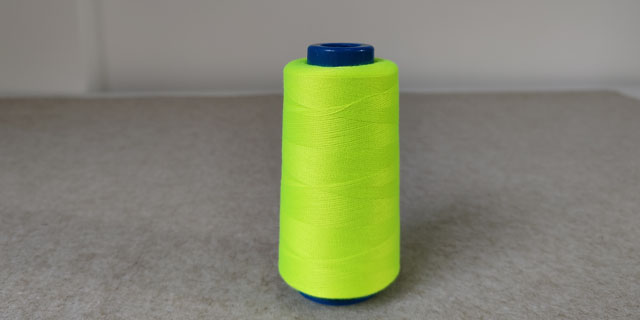
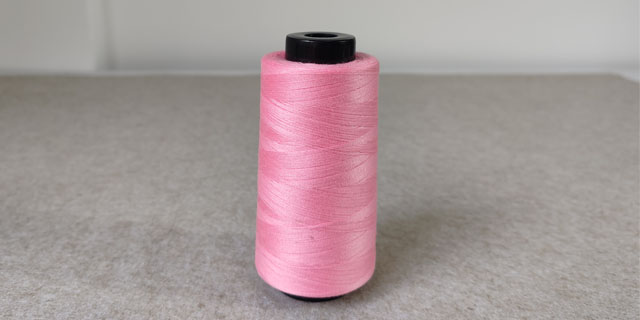
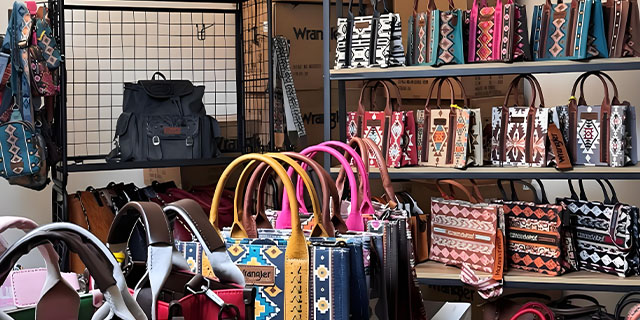
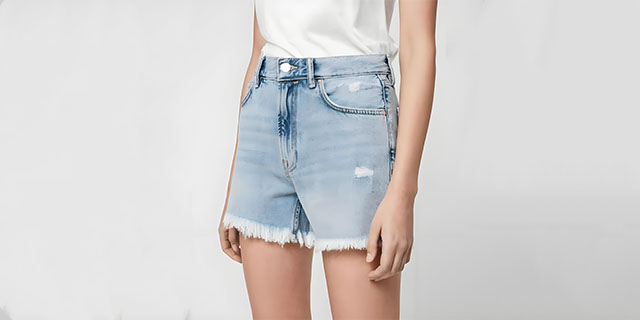
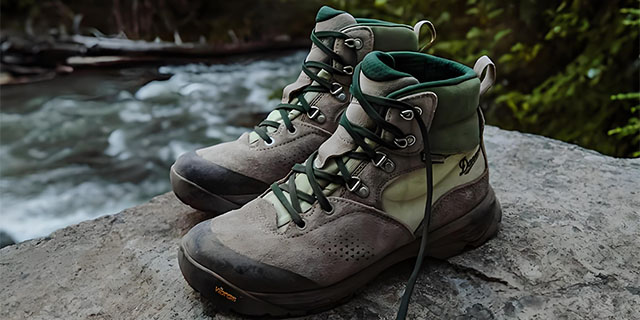
Polyester sewing thread 30/2 and Polyester sewing thread 30/3 are extensively used in industries such as luggage, denim, footwear, and outdoor gear.
These sectors require threads that can withstand heavy use and exposure to harsh conditions without compromising seam integrity.
For example, in the manufacturing of backpacks and hiking boots, Polyester sewing thread 30/2 and Polyester sewing thread 30/3 provide the necessary durability and strength to ensure that the products remain functional and reliable over time.
In the denim industry, these threads are used to create seams that can endure frequent wear and washing. Their high abrasion resistance and tensile strength make them suitable for high-speed sewing machines, which is crucial for manufacturers aiming to maximize productivity while maintaining quality. Additionally, both threads offer excellent colorfastness and resistance to chemical degradation, ensuring that the seams remain intact and visually appealing over time.
-
 Physical Characteristics
Wear Resistance: Both Polyester sewing thread 30/2 and Polyester sewing thread 30/3 exhibit excellent abrasion resistance, making them suitable for applications that involve heavy use and exposure to the elements. However, Polyester sewing thread 30/3 has slightly higher abrasion resistance due to its thicker construction.
Strength: Polyester sewing thread 30/3 has a higher tensile strength compared to Polyester sewing thread 30/2, making it more suitable for heavier materials and thicker seams.
Elasticity: Polyester sewing thread 30/3 offers better elasticity, which allows it to stretch and recover without breaking. This property is particularly useful in applications that require flexibility, such as outdoor gear and footwear. -
 Usage Scenarios
Lightweight Applications: Polyester sewing thread 30/2 is often preferred for lighter-weight fabrics and delicate sewing tasks due to its finer texture. It is ideal for applications such as lightweight denim, thin leather, and delicate textiles.
Heavy-Duty Applications: Polyester sewing thread 30/3 is more suitable for heavier materials and thicker seams, making it a popular choice for heavy-duty outdoor gear, industrial products, and thick denim. Its robustness ensures that seams remain intact even under significant stress. -
 Technical Parameters
Thread Thickness: Polyester sewing thread 30/2 has a tex size of 80, while Polyester sewing thread 30/3 has a tex size of 90. This difference in thickness affects the thread’s performance in various sewing scenarios.
Colorfastness: Both threads offer high colorfastness, ensuring that the seams remain visually appealing even after repeated washing and exposure to sunlight.
Thermal Stability: Both Polyester sewing thread 30/2 and Polyester sewing thread 30/3 are highly resistant to thermal degradation, making them suitable for applications that involve exposure to heat. -
 Price and Cost-Effectiveness
Cost: Polyester sewing thread 30/2 is generally more affordable due to its finer texture and lower material usage. However, the choice between the two threads ultimately depends on the specific requirements of the application.
Value for Money: While Polyester sewing thread 30/2 may be more cost-effective for lighter-weight projects, Polyester sewing thread 30/3 offers superior strength and durability for heavier applications, making it a more cost-effective choice in the long run.

-
Consultation
 Le processus de personnalisation commence par une consultation détaillée, au cours de laquelle nous discutons des besoins spécifiques du client, y compris l'épaisseur du fil, les exigences en matière de couleur et les demandes spécifiques à l'application. Notre équipe d'experts travaille en étroite collaboration avec le client pour comprendre ses besoins uniques et lui fournir des recommandations.
 -
Devis
 Une fois les besoins clairement définis, nous fournissons un devis détaillé indiquant le coût, le délai de livraison et d'autres détails pertinents. Nos devis sont transparents et complets, ce qui permet aux clients de bien comprendre les coûts impliqués.
 -
Production
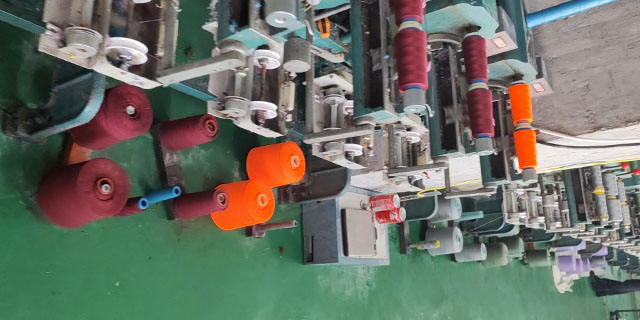 Notre processus de production est très efficace et axé sur la qualité, ce qui garantit que les fils personnalisés répondent aux normes les plus élevées en matière de performance et de durabilité. Nous utilisons des équipements de pointe et des mesures rigoureuses de contrôle de la qualité pour produire des fils qui dépassent les normes de l'industrie.
 -
Expédition
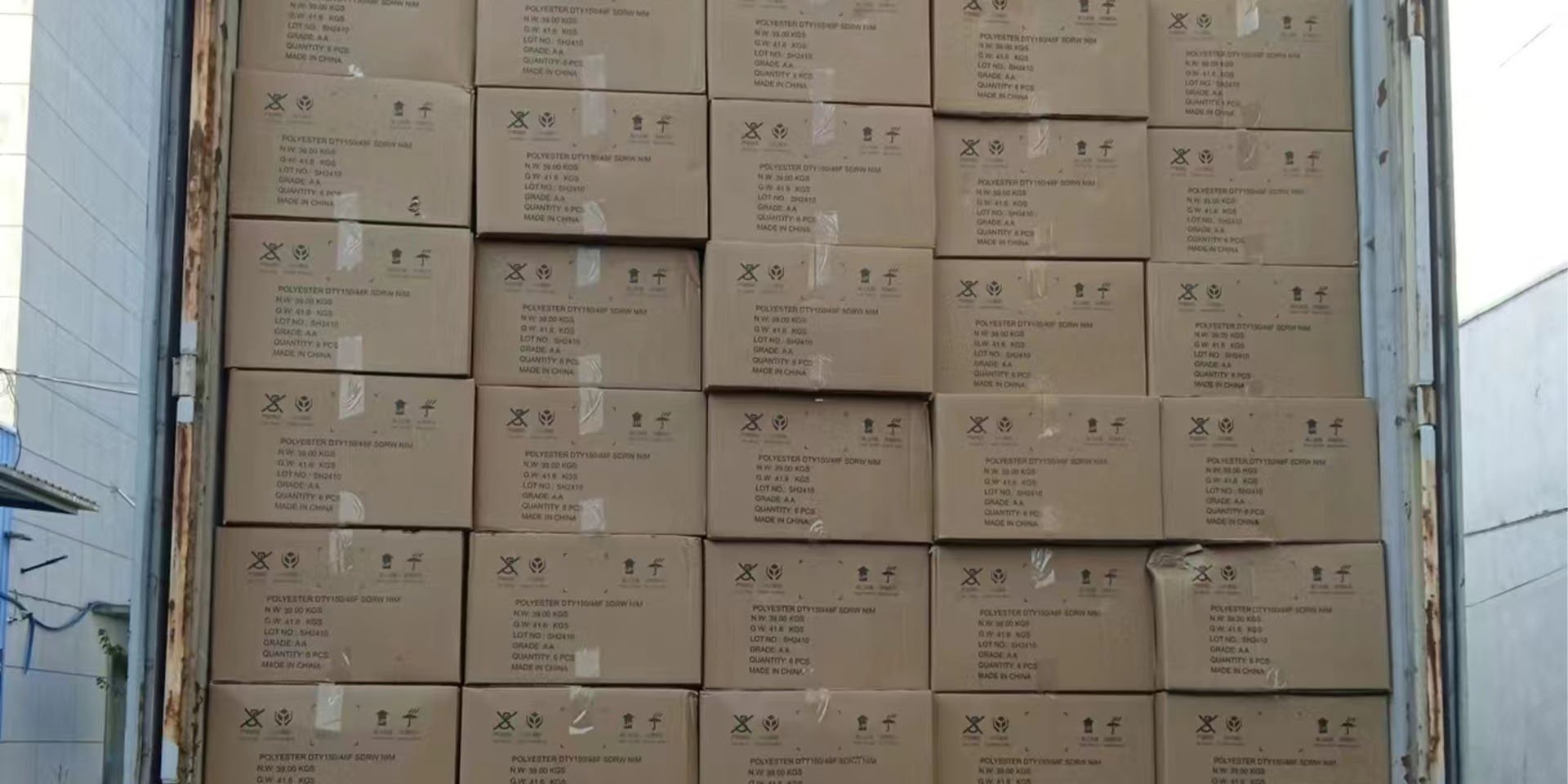 Après la production, les fils personnalisés sont soigneusement emballés et expédiés au client dans les délais convenus. Nous proposons des solutions logistiques fiables pour garantir que les fils parviennent au client rapidement et en parfait état.
-
What is the specific fineness (such as yarn count) of Polyester sewing thread 30/2 and Polyester sewing thread 30/3? Can it be adjusted according to my needs?
The fineness of Polyester sewing thread 30/2 is 80 tex, while the fineness of Polyester sewing thread 30/3 is 90 tex. These two specifications are set according to international standards to meet the needs of different application scenarios. Although the standard specifications are already widely used in most industries, we can customize them according to your specific needs. For example, if you need a thinner or thicker thread, we can adjust the fineness, but the production cost and time need to be evaluated based on the customization amount and specific requirements.
-
The article mentioned that 30/3 has higher wear resistance and strength. How much higher can it be? Are there any relevant data or test results for reference?
Polyester sewing thread 30/3 is indeed better in wear resistance and strength than 30/2. Specifically, the tensile strength of 30/3 is about 15% higher than that of 30/2, and the wear resistance is improved by about 20%. These data are obtained through standard tensile tests and abrasion resistance tests. We can provide you with a detailed test report in the customized service to help you better understand the performance differences between the two threads.
-
My product is an outdoor mountaineering bag. Which one is more suitable, 30/2 or 30/3? If 30/2 is chosen, will the product quality be affected due to insufficient strength?
For outdoor mountaineering bags, we recommend using Polyester sewing thread 30/3 because it has higher strength and wear resistance, and can better cope with the friction and pulling that the mountaineering bag may encounter during use. Although 30/2 can also be used for lightweight outdoor products, for applications such as mountaineering bags that require high-strength sewing, 30/3 is a more suitable choice to ensure the durability and reliability of the product.
-
J'ai besoin d'une couleur spéciale, le service de personnalisation peut-il y répondre ? Peut-on garantir que la couleur personnalisée sera exactement la même que l'échantillon que j'ai fourni ?
Notre service personnalisé peut répondre à vos besoins spécifiques en matière de couleurs. Nous utilisons une technologie de teinture avancée et un système professionnel de correspondance des couleurs pour garantir que la couleur personnalisée est parfaitement conforme à l'échantillon que vous nous fournissez. Avant la production, nous vous fournirons des échantillons pour confirmation afin de nous assurer que la couleur répond à vos exigences. Si nécessaire, nous pouvons également effectuer une gestion des couleurs selon les normes de votre marque afin de garantir la stabilité des couleurs de chaque lot.
-
The article mentions that 30/2 is more economical and 30/3 is more durable. Can you provide an approximate price range? If I purchase in large quantities, will there be a discount?
Polyester sewing thread 30/2 is usually slightly lower than 30/3, and the specific price will vary depending on factors such as order volume, customization requirements and delivery time. For large-volume purchases, we provide a flexible pricing strategy, and the larger the order volume, the lower the unit price. For example, when the order volume reaches a certain scale, we can provide a corresponding discount. The specific price and discount can be communicated with you in detail during the quotation stage.
-
Si je choisis un service personnalisé, combien de temps faut-il compter entre la commande et la livraison ? Est-il possible de l'accélérer ?
Le délai d'exécution des services personnalisés dépend généralement de la complexité de la personnalisation et du volume de la commande. En règle générale, il faut compter 15 à 25 jours ouvrables entre la commande et la livraison. Si votre projet a des besoins urgents, nous pouvons fournir des services accélérés. Nous organiserons le plan de production en fonction de vos besoins spécifiques afin de garantir une livraison dans les délais.
-
Quelles sont les normes de qualité de ces deux fils à coudre ? Existe-t-il des certifications ou des rapports d'essai pertinents ?
Nos fils à coudre respectent strictement les normes de qualité internationales, notamment la certification du système de gestion de la qualité ISO 9001 et la certification environnementale OEKO-TEX Standard 100. Chaque lot de produits est soumis à des tests de qualité stricts, notamment des tests de traction, de résistance à l'abrasion, de solidité des couleurs, etc. Nous pouvons également fournir des rapports d'essai détaillés en fonction de vos besoins afin de garantir que les fils à coudre que vous utilisez répondent aux normes les plus strictes.
-
The article mentions that 30/2 and 30/3 have good thermal stability. Can you specify their heat-resistant temperature range?
Polyester sewing thread 30/2 and 30/3 have excellent thermal stability. They can maintain stable performance at high temperatures of 150°C and can withstand higher temperatures for a short period of time. This thermal stability makes them very suitable for sewing processes that require high temperature treatment, such as ironing, hot pressing, etc. If you have higher heat resistance requirements, we can provide customized solutions based on specific application scenarios.
-
La quantité de ma commande peut être relativement faible. Existe-t-il une quantité minimale de commande ? Si la quantité commandée est faible, cela aura-t-il une incidence sur le prix ou le délai de livraison ?
Nous comprenons que les clients ont des besoins différents, c'est pourquoi nous essayons de réduire la quantité minimale de commande pour répondre aux besoins des différents clients. Pour les spécifications standard, la quantité minimale de commande est de 100 kilogrammes ; pour les produits personnalisés, la quantité minimale de commande est d'un conteneur. Si la quantité commandée est faible, nous ferons toujours de notre mieux pour répondre à vos besoins, mais le prix unitaire peut être ajusté en fonction du coût de la personnalisation. Le délai de livraison n'est généralement pas affecté par les petites quantités commandées, et nous organiserons la production et la livraison conformément aux procédures standard.