 Italian
  English
  Spanish
  Arabic
  Portuguese
  Russian
  French
  German
  Korean
  Japanese
  Turkish
  Vietnamese
  Thai
Thai  Indonesian
  Dutch
Dutch  Hebrew
 Discover efficient sewing thread testing methods to ensure quality and durability. These methods help maintain high standards for all your sewing projects, whether for clothing, crafts, or industrial use.
Introduction: Comprensione il Importance di Sewing Il filo Testing
In il tessile e abbigliamento industria, il affidabilità di a prodotto spesso depends su il qualità di il cucire filo utilizzato. Da industriale capi di abbigliamento a outdoor equipment e fine fashion pieces, il ruolo di il cucire filo è non semplicemente a hold materials together, ma a garantire durata, coerenza, e prestazioni. To incontrarsi questi demands, cucire filo testing methods play a vitale ruolo in produzione e qualità assicurazione.
Based su il Cinese nazionale standard GB/T 6836-2007, questo articolo explores il più essenziale cucire filo testing methods ogni manufacturer, qualità controller, o tessile researcher dovrebbe essere familiar with.
Da comprensione e applying questi testing standard correctly, produttori può non solo comply con nazionale regulations ma anche raggiungere più alto cliente satisfaction, ridurre return tariffe, e migliorare prodotto reputation in entrambi domestico e internazionale markets. Il following sections dettaglio chiave meccanico e chimico test, visivo inspections, e lab pratiche required a evaluate cucire fili comprehensively.
Il Importance di Testing Sewing Fili per Qualità Assurance
Testing cucire fili è cruciale per identifying potential difetti, garantire prodotto coerenza, e riunione entrambi cliente expectations e regulatory standard. Fili sono subjected a significativo stress durante cucitura e in il lifespan di il finale product. Weak o subpar fili può risultato in cucitura failure, poor visivo aesthetics, e ultimately prodotto recalls o cliente dissatisfaction.
Da adopting standardizzato cucire filo testing methods, produttori può guadagno meglio controllo oltre filo produzione variables tale come fibra contenuto, wax rivestimenti, tension resistance, e colorfastness. Questi procedures anche fornire documented dati che supporti qualità claims e certifications, che sono essenziale in globale tessile commercio.
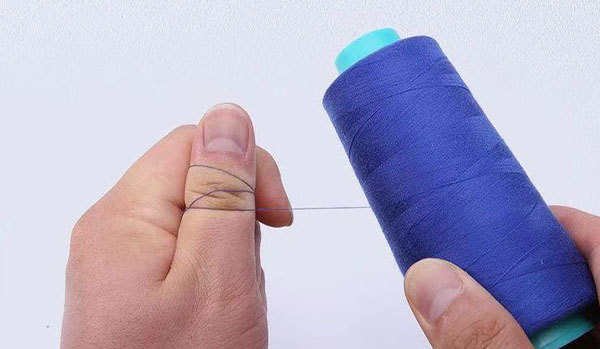
Requisiti di qualità per i fili di poliestere
Core Testing Methods per Sewing Fili Based su GB/T 6836-2007
Il GB/T 6836-2007 standard contorni a completo set di cucire filo testing methods che include mechanical, chemical, e visivo evaluations. Questi methods help determinare se a filo incontra il necessary prestazioni e estetica standard per il suo inteso utilizzo. Il test covered in questo articolo include breaking forza, colore fastness, filo density, umidità contenuto, e visivo inspections, among others.
Ciascuno metodo è carried fuori sotto controlled condizioni a garantire repeatability e reliability. Below, we delve in ciascuno di questi testing protocolli e explain loro significato in il assessment process.
Breaking La forza Test Secondo a GB/T 3916
Breaking forza è one di il più fondamentale parameters measured in cucire filo testing methods. Secondo a GB/T 3916, questo test involves stretching il filo fino a quando esso breaks utilizzando a trazione forza machine. Il risultato è expressed in centinewtons (cN) o grams-force (gf), depending su il sistema utilizzato.
Questo test aiuta produttori garantire che il cucire filo può resistere il meccanico stress di cucitura operations e postproduzione utilizzo. Higher forza values indicate meglio resistenza a tension e potential cucitura fallimento. Different applicazioni-tale come automobilistico tappezzeria, military gear, o fashion garments—require specifico forza standard.
Testing mosto essere performed sotto standard atmospheric conditions (20°C ±2°C e 65% ±2% relative humidity) a eliminate variable effects su materiale prestazioni. Il breaking forza test può anche rivelare inconsistencies in filatura, tintura, o finishing processi.
Colore Fastness Tests: GB/T 3920 e GB/T 3921.3
Colore solidità è critico in cucire fili, soprattutto quando usato in visibile seams o altofine fashion. Il GB/T 3920 e GB/T 3921.3 standard evaluate il del filo capacità a mantenere colore sotto exposure a washing e rubbing.
GB/T 3920 focuses su asciutto e wet rubbing solidità. A piece di white cloth è rubbed against il tinto filo sotto controlled pressione e conditions. Afterward, il white cloth è assessed utilizzando a grey scale a determinare il amount di colore transfer.
GB/T 3921.3 è a washing solidità test, che simulates domestico o commercial laundering. Questo è particularly importante per fili usato in casa tessile e abbigliamento che require frequent pulizia. Il filo è sewn in a fabric composite, allora washed utilizzando standardizzato detergent e evaluated per colore dissolvenza o transfer.
Entrambi di questi cucire filo testing methods sono essenziale a garantire estetica quality, cliente satisfaction, e conformità con eco-etichetta requisiti, particularly in exports.
Il filo Density Measurement Based su GB/T 4743
Il filo density, spesso measured in tex o denier, definisce il lineare mass di a cucire filo. Secondo a GB/T 4743, il densità è calculated da weighing a known length di filo e expressing il risultato in tex (grams per 1,000 meters).
Questo test è vitale in classifying filo thickness, selecting appropriate needle sizes, e matching fili a specifico fabric weights. Uniforme densità assicura even punti e reduces il rischio di tension variazione durante sewing.
Inoltre, deviazioni in densità può affliggere forza, elasticity, e finale prodotto appearance. Thus, questo è one di il cucire filo testing methods che influenze entrambi funzionale e visivo aspects di tessile production.
Evaluating Tension, Moisture Content, e Knot Characteristics
Tension controllo è critico in entrambi filo produzione e cucire operazioni. Fili che esposizione inconsistent tension può piombo a cucitura puckering o skipped stitches. Testing filo elongation sotto tension fornisce insight in elasticità e prestazioni sotto stress.
Moisture content è anche evaluated utilizzando drying methods. Excess umidità può piombo a fungal growth o deterioramento durante storage, mentre too little umidità può causa brittleness. A equilibrato umidità livello è essenziale per mantenimento filo pliability e strength.
Knot e splice valutazione è un altro parte di completo cucire filo testing methods. Too many knots per meter può interfere con macchina sewing, ridurre visivo appeal, e compromise cucitura integrity. Fili dovrebbe essere spooled con minimo knots e correttamente fused splices.
Questi test contribuire a complessivo prodotto qualità e help detect questioni tale come over-twisting, irregolare winding, o poor finishing durante production.
Visual Inspection Standards a Identify Superficie e Strutturale Defects
While meccanico e chimico test sono essential, visivo inspection resti un irreplaceable aspetto di cucire filo testing methods. Secondo a GB/T 6836-2007, fili mosto essere examined sotto adequate illuminazione condizioni e magnification a identificare fisico defects.
Visual inspection focuses su superficie smoothness, uniforme color, presenza di lint, slub, o broken filaments. Coerenza in colore e structure è soprattutto critico quando il filo è visibile su il finale product. Inspectors look per signs di tintura irregularities, coating issues, o estero matter inclusion.
Questo form di testing permette per rapid sorting e qualità categorization, soprattutto in alla rinfusa produzione environments. Esso è spesso usato come a finale check prima imballaggio e shipment, realizzazione esso un indispensable parte di il qualità controllo process.
Setting Up un Efficient In-House Testing Lab per Sewing Fili
Establishing un in-house laboratorio per cucire filo testing methods assicura faster feedback loops e maggiore controllo oltre produzione qualità. A benequipped lab dovrebbe include trazione testing machines, colore solidità testing equipment, umidità analyzers, e precision weighing scales.
In-house labs anche allow per real-time dati collection e quicker troubleshooting di produzione faults. Inoltre, essi abilitazione produttori a conduct pre-shipment inspections, supplier audits, e R&D per nuovo filo types.
To set up un efficiente lab, produttori dovrebbe seguire GB/T standards, train personnel in corretto sampling tecniche, e mantenere calibration records per all equipment. Investing in tale a facility non solo enhances prodotto affidabilità ma anche boosts marchio credibility in competitivo markets.
Sewing Thread Testing Methods FAQ
Why are sewing thread testing methods important?
Sewing thread testing methods are crucial to ensure the quality, strength, and durability of threads used in various applications. These tests help in selecting the right thread for specific projects, ensuring reliable results and long-lasting seams.
What are the common sewing thread testing methods?
Common sewing thread testing methods include tensile strength testing, elongation testing, abrasion resistance testing, and shrinkage testing. These methods evaluate different properties of the thread to ensure it meets required standards.
How often should sewing threads be tested?
The frequency of testing depends on the usage and application of the threads. It is generally recommended to test threads regularly, especially when used for industrial purposes or when working with new batches to ensure consistent quality.
Can sewing thread testing methods be done at home?
Some basic tests, like checking thread strength by pulling or assessing shrinkage by washing, can be done at home. However, for accurate and comprehensive results, professional testing equipment and laboratories are recommended.
Are there international standards for sewing thread testing?
Yes, there are international standards for sewing thread testing, such as those from ASTM (American Society for Testing and Materials) and ISO (International Organization for Standardization). These standards provide guidelines for conducting tests and evaluating results.
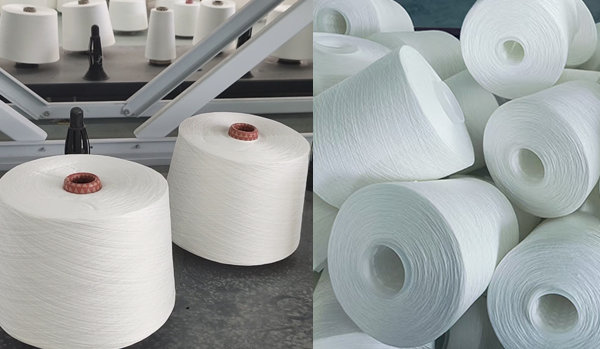
sewing thread testing methods
Il ruolo di cucire filo testing methods in garantire prodotto quality, affidabilità, e mercato acceptance non può essere overstated. Come cucire fili diventare increasingly tecnica e application-specific, thorough testing becomes non just a regulatory obligation ma a strategico advantage.
Da breaking forza a colorfastness, umidità content a visivo inspection, ciascuno test outlined in GB/T 6836-2007 serve a unique e indispensable ruolo in characterizing filo prestazioni. Da comprensione questi parametri, produttori può produce fili che incontrarsi stringent domestico e internazionale requisiti mentre anche addressing il unique demands di fine users.
Equipping your produzione line con corretto cucire filo testing methods assicura coerenza, improves cliente trust, e reduces costly returns o complaints. Come il tessile industria continues a innovate, investire in completo filo testing volontà remain a cornerstone di sostenibile e altoqualità production. Whether you’re a seasoned produttore o nuovo a tessile production, mastering questi testing techniques volontà put you ahead in entrambi prestazioni e professionalism.
Notizie precedenti
Capire gli standard del filo per cucire in poliestere...Prossime notizie
Cotton Sewing Thread Quality: What GB/T 6836-20...
Per filato
Prodotto caratteristico
-
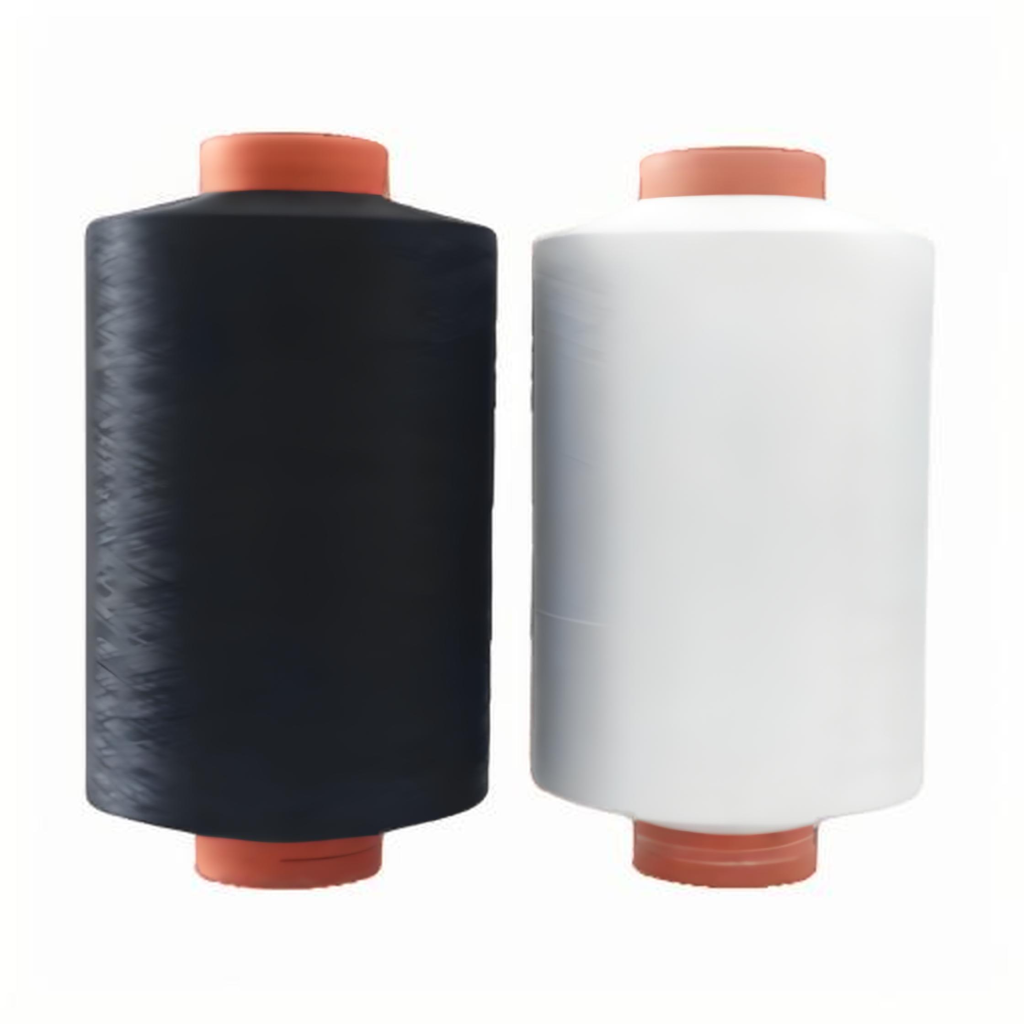 Filato di poliestere DTY 100D/144F
Filato di poliestere DTY 100D/144F: la guida definitiva...
-
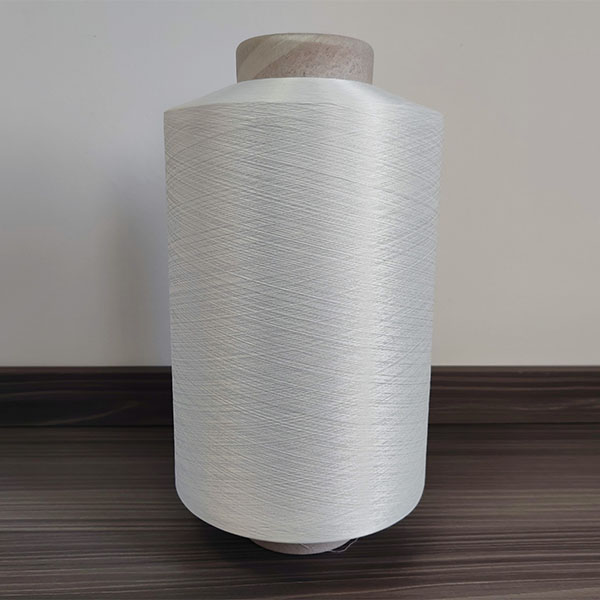 Filato di poliestere DTY 100D/96F
Filato di poliestere DTY 100D/96F: il filato morbido e stabile...
-
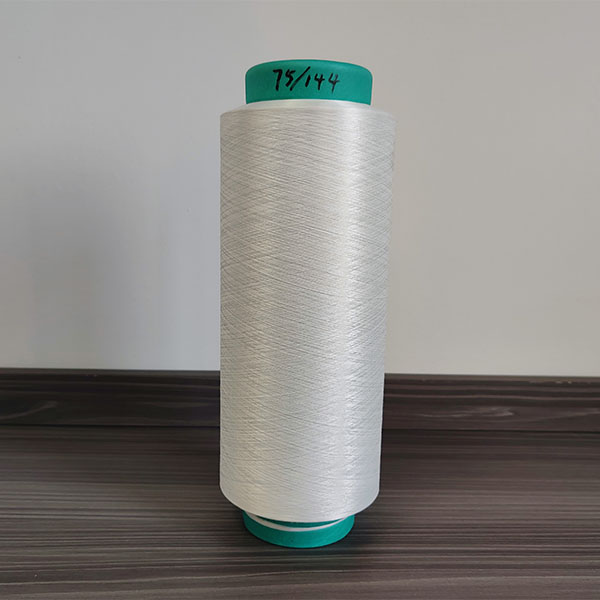 Filato di poliestere SIM DTY 75D/144F
Filato di poliestere SIM DTY 75D/144F: La scelta migliore per...