
 Vietnamese
  English
  Spanish
  Arabic
  Portuguese
  Russian
  French
  German
  Korean
  Japanese
  Italian
  Turkish
  Thai
Thai  Indonesian
  Dutch
Dutch  Hebrew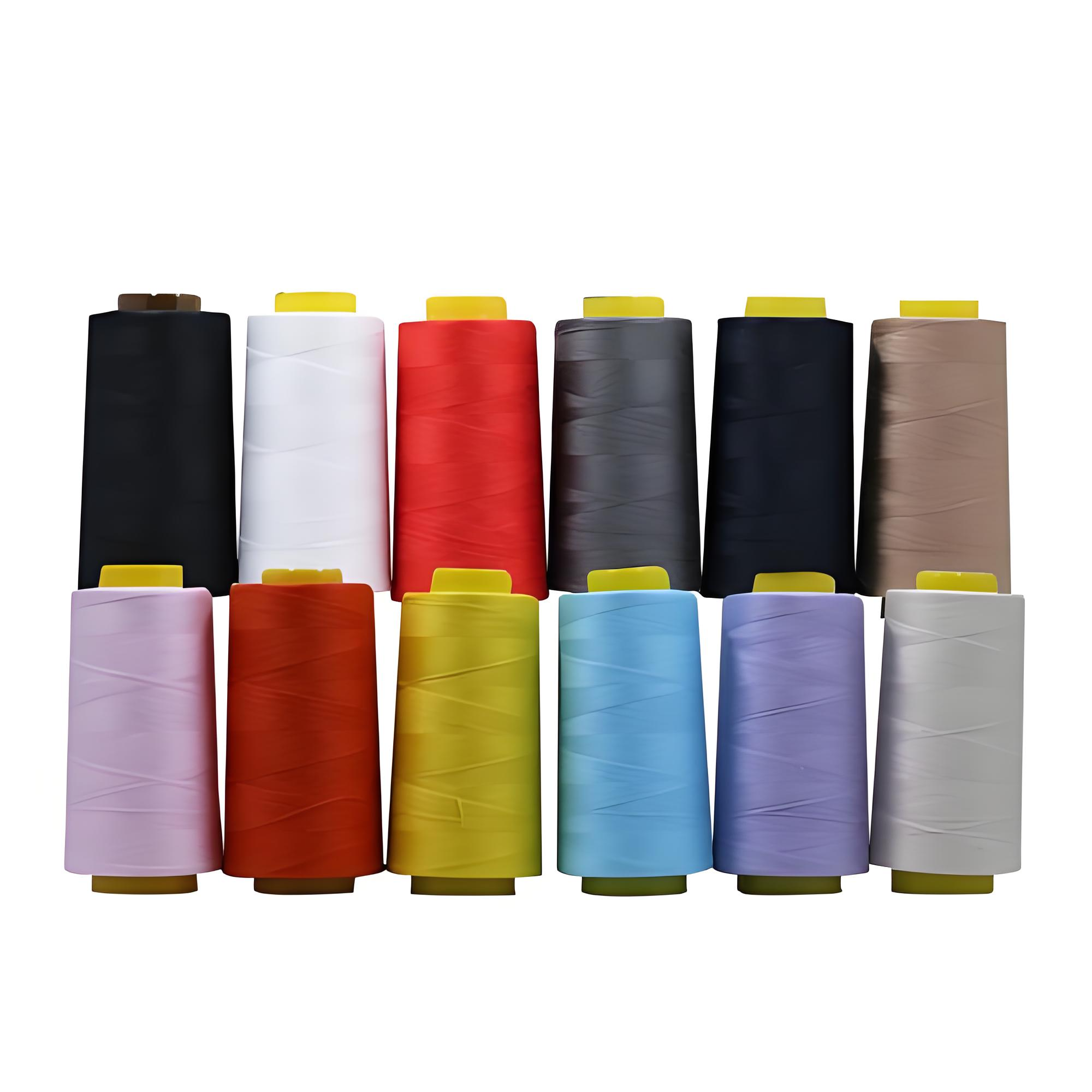
Polyester sewing thread 60/2 and Polyester sewing thread 60/3 are two industry-standard variants that dominate textile manufacturing, home furnishing, and industrial production. Renowned for their exceptional strength, durability, and resistance to wear, these threads cater to distinct stitching requirements. Polyester sewing thread 60/2 excels in lightweight, precision-driven applications, while Polyester sewing thread 60/3 is engineered for heavy-duty, high-stress environments. Their versatility spans apparel, automotive interiors, outdoor gear, and technical textiles, making them indispensable tools for achieving durable, high-quality seams. This article explores their unique properties, targeted applications, and the industries that rely on their performance.
The decision to use Polyester sewing thread 60/2 or 60/3 hinges on fabric type, seam stress, and end-use requirements:
- Fabric Weight: 60/2 suits fabrics under 8 oz/yd² (e.g., chiffon, satin), while 60/3 handles materials above 12 oz/yd² (e.g., denim, canvas).
- Stitch Density: 60/2 works with 8–12 stitches per inch (SPI) for fine seams, whereas 60/3 performs best at 6–8 SPI for bulkier joins.
- Endurance Needs: 60/3 is mandatory for load-bearing seams in automotive or outdoor gear, while 60/2 suffices for decorative or low-stress applications.
-
 Superior Tensile and Tear Resistance
With 50% greater ply density than 60/2, Polyester sewing thread 60/3 withstands heavy loads and repetitive stress. It is the preferred choice for seams in denim jeans, workwear, and leather goods, where thread failure could compromise product integrity.
-
 Enhanced Stability Under Tension
The thread’s reduced elongation under load ensures seams remain intact even when subjected to pulling or stretching. This property is vital for automotive seat covers, which endure constant friction and weight, and for industrial conveyor belts requiring long-term abrasion resistance.
-
 Compatibility with Thick or Multi-Layered Fabrics
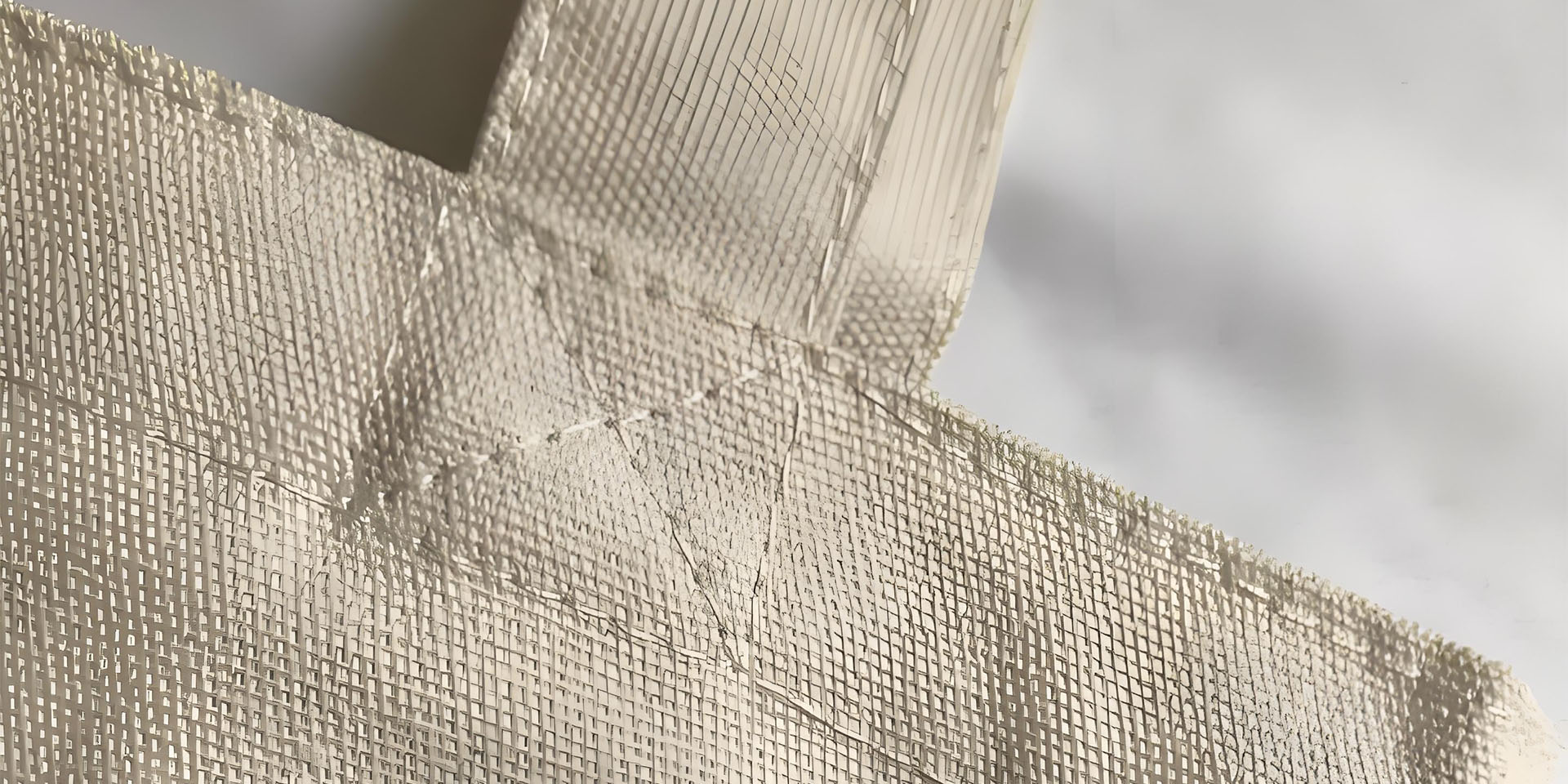
Polyester sewing thread 60/3 is engineered for dense materials like canvas, upholstery fabrics, and technical textiles. Its thickness prevents breakage when penetrating multiple layers, such as in quilted jackets, padded furniture, or heavy-duty tarpaulins.
-
 Industry-Specific Applications
This thread dominates sectors requiring rugged performance:
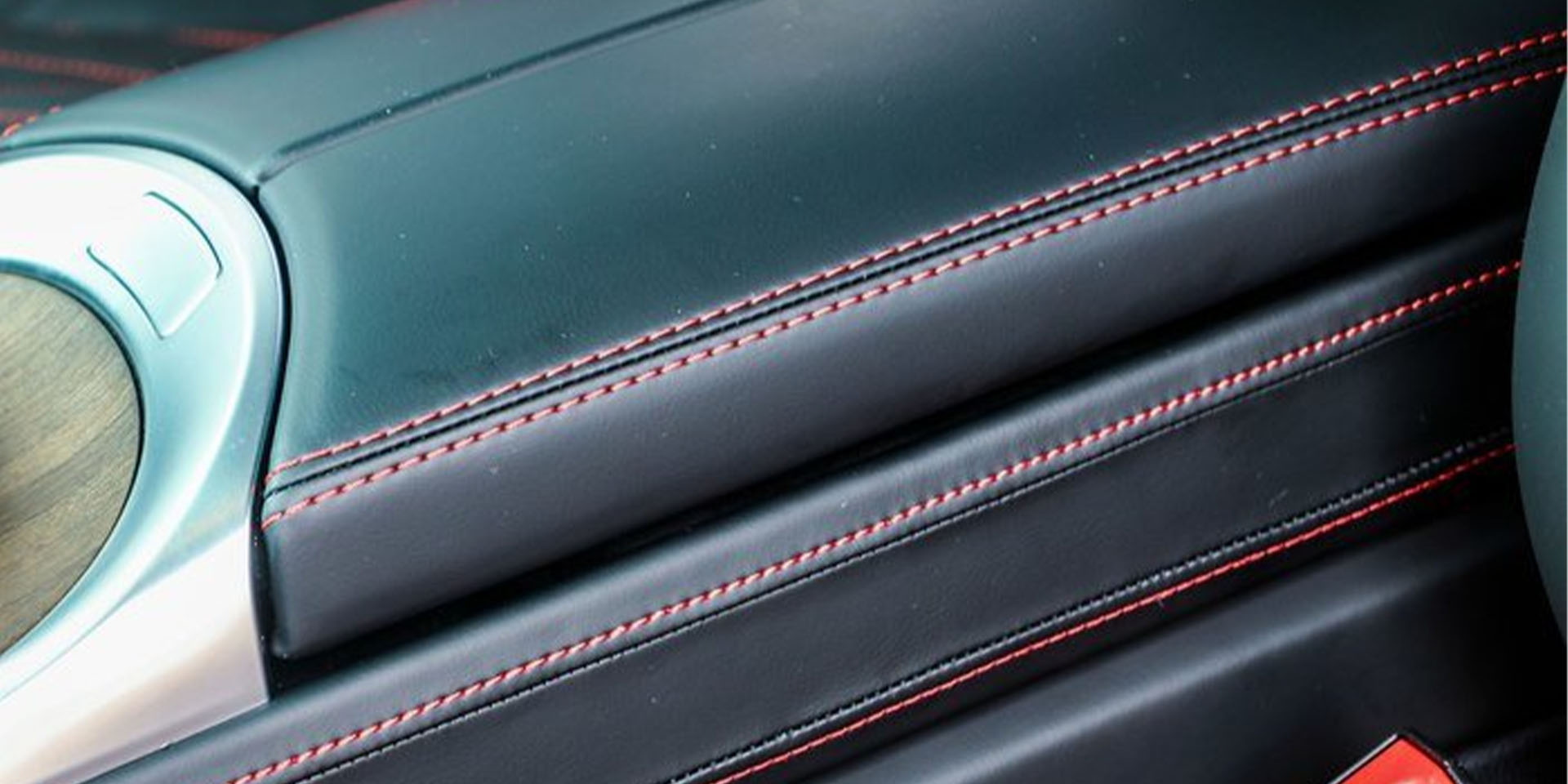
Automotive: Stitching car seats, seat belts, and interior panels.
Outdoor Equipment: Reinforcing seams in tents, backpacks, and hiking boots.
Industrial Safety Gear: Assembling fire-resistant uniforms, harnesses, and protective covers.
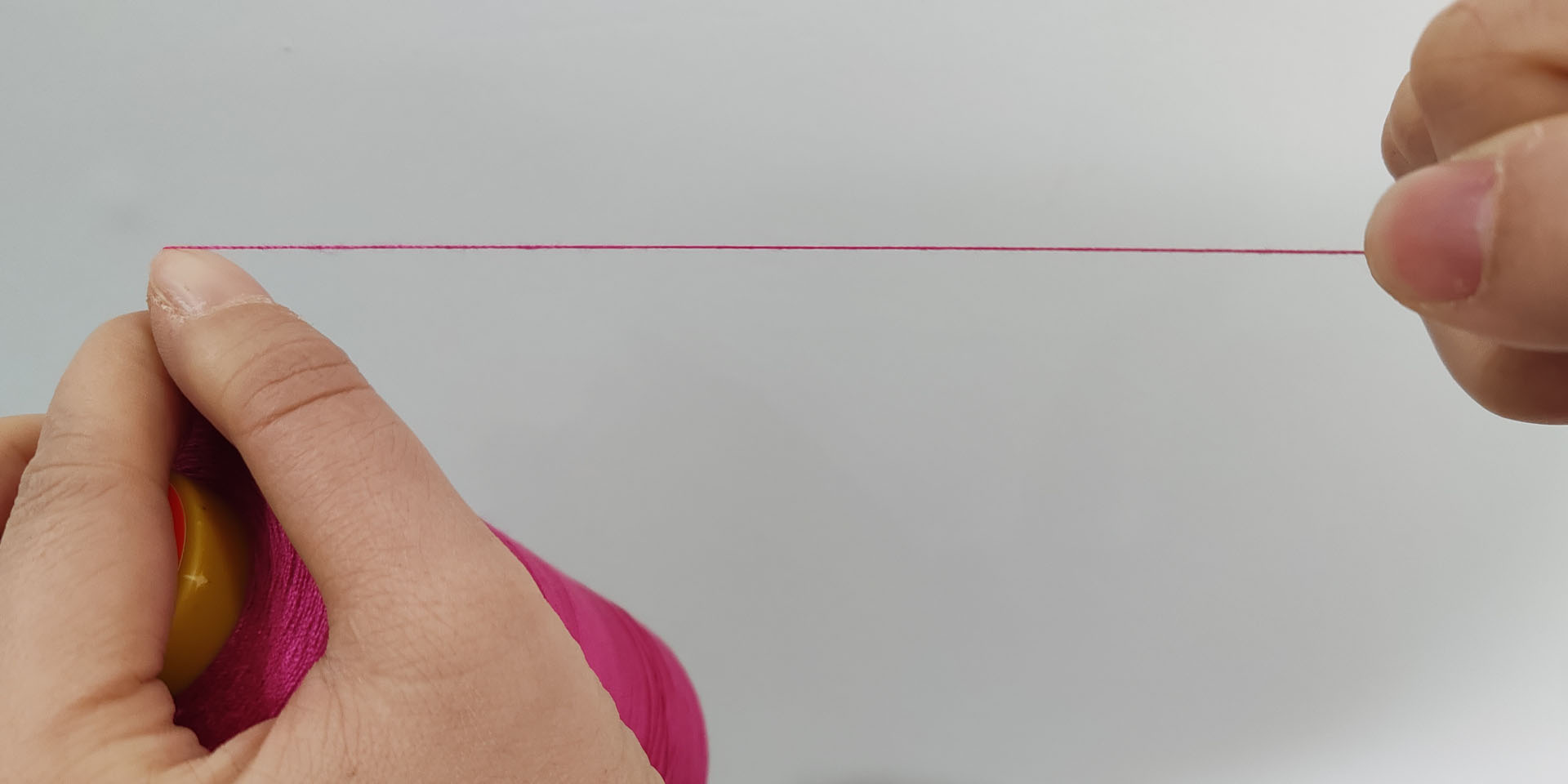
Polyester sewing thread 60/2 boasts high tensile strength and resistance to abrasion, making it ideal for seams subjected to moderate stress. For example, it is widely used in activewear stitching, where elasticity and repeated movement demand reliable thread performance without bulk.
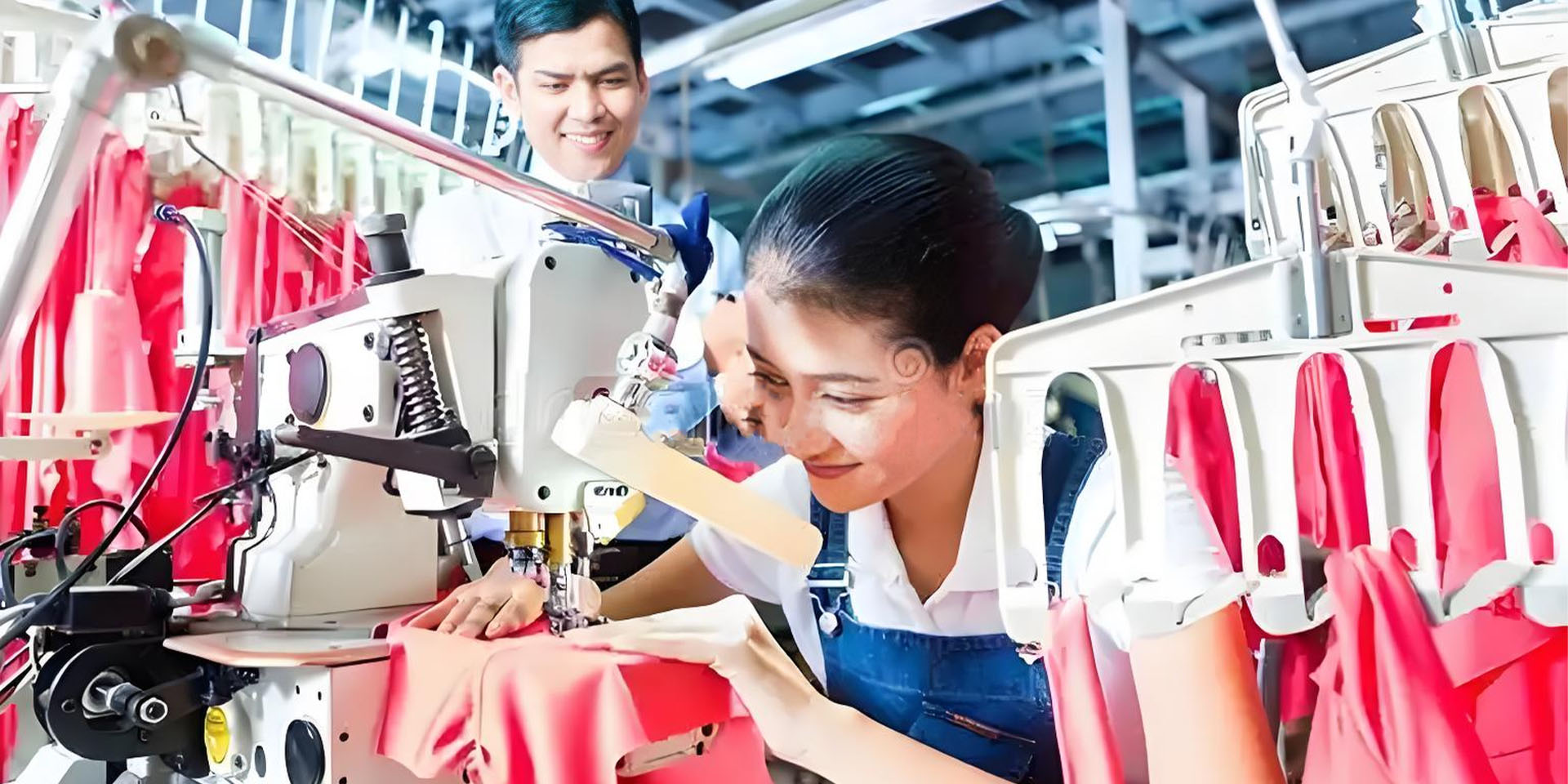
The thread’s polished surface and uniform thickness reduce friction during sewing, ensuring consistent stitch formation. This precision is critical for lightweight fabrics like chiffon, organza, or silk, where uneven threads could cause puckering or fabric damage.
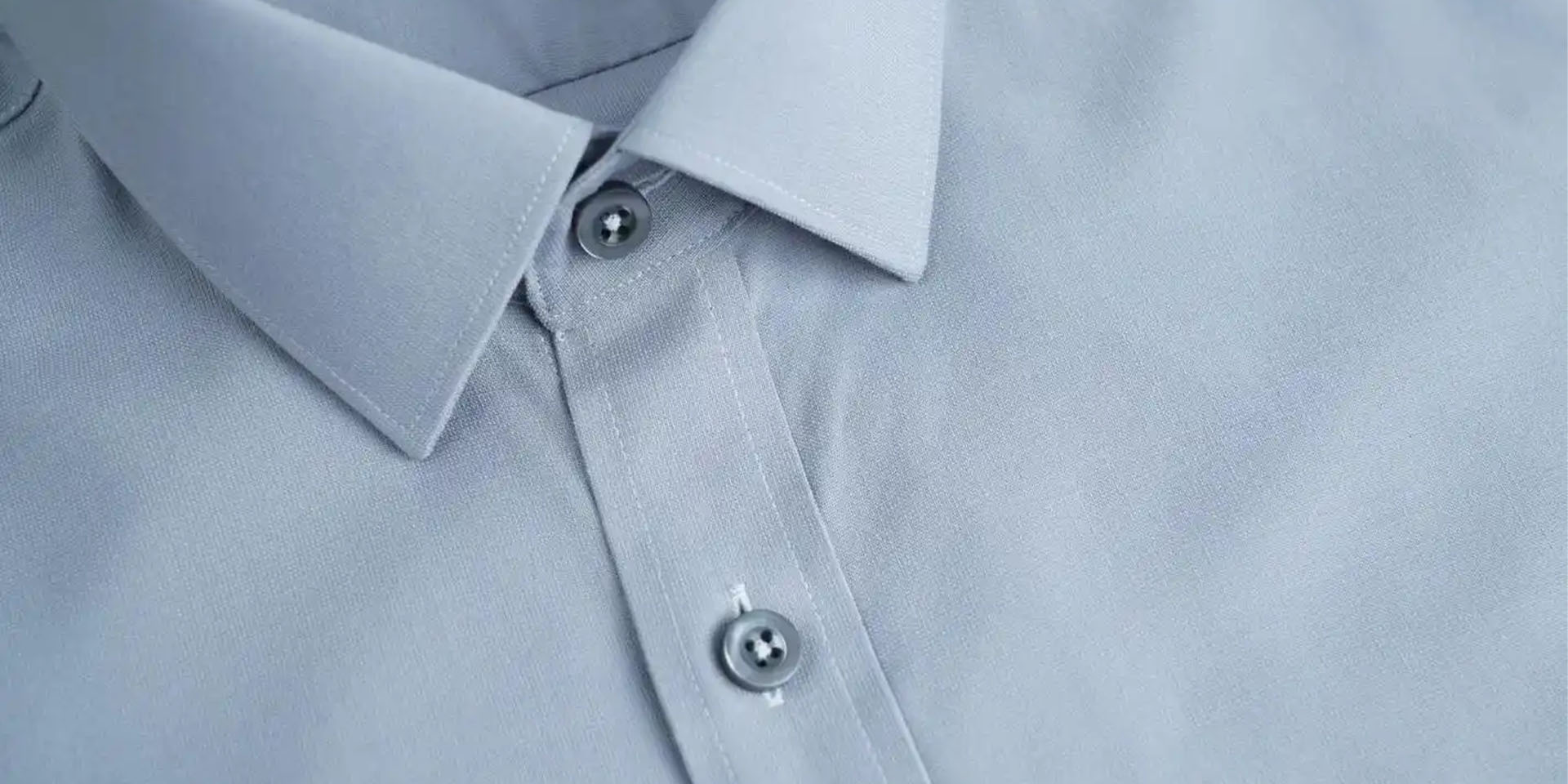
Polyester sewing thread 60/2 is optimized for cotton blends, polyester knits, and synthetic linings. Its thin profile prevents thread marks on delicate fabrics, making it a staple in tailored shirts, lingerie, and lightweight curtains.
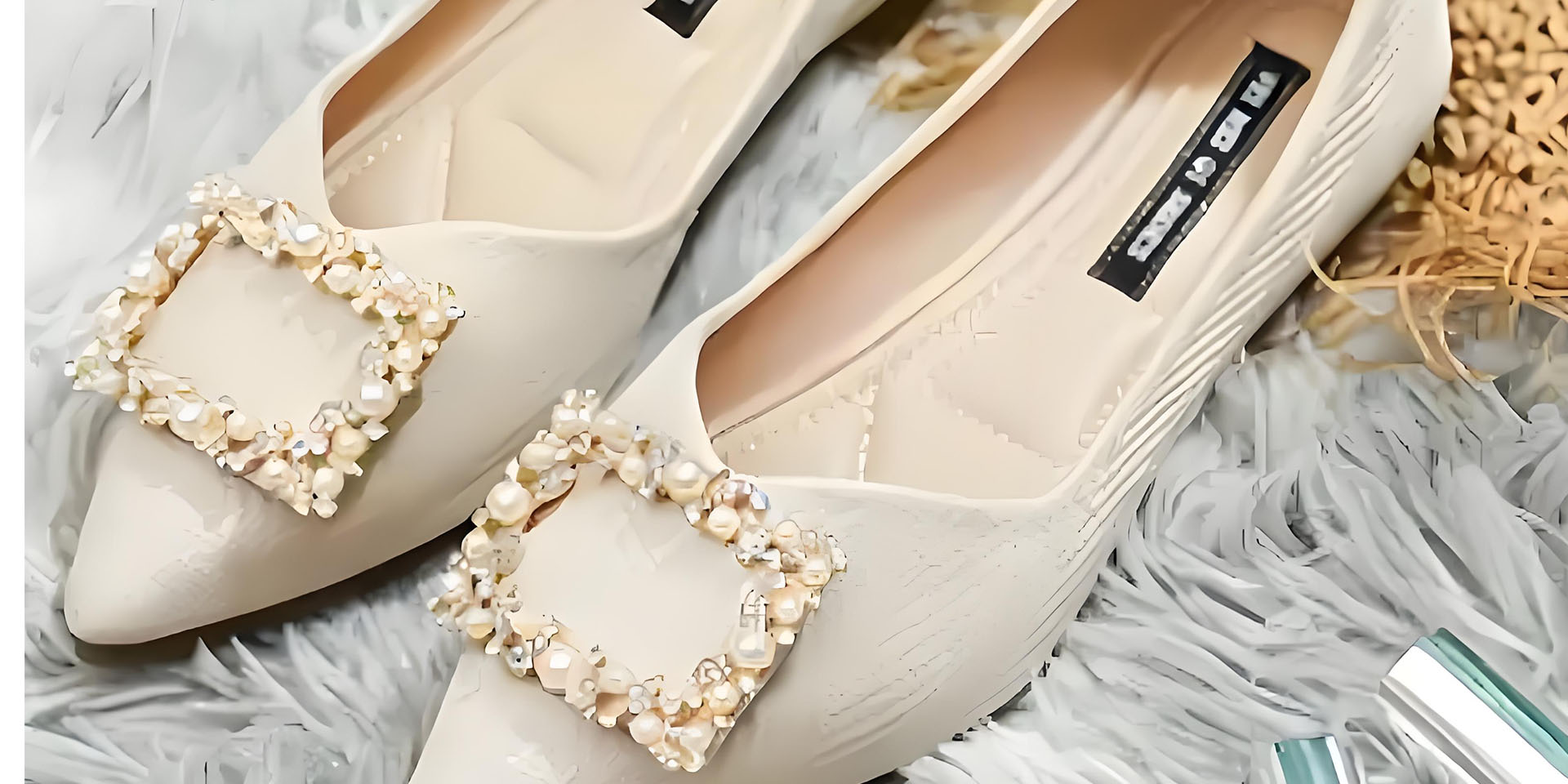
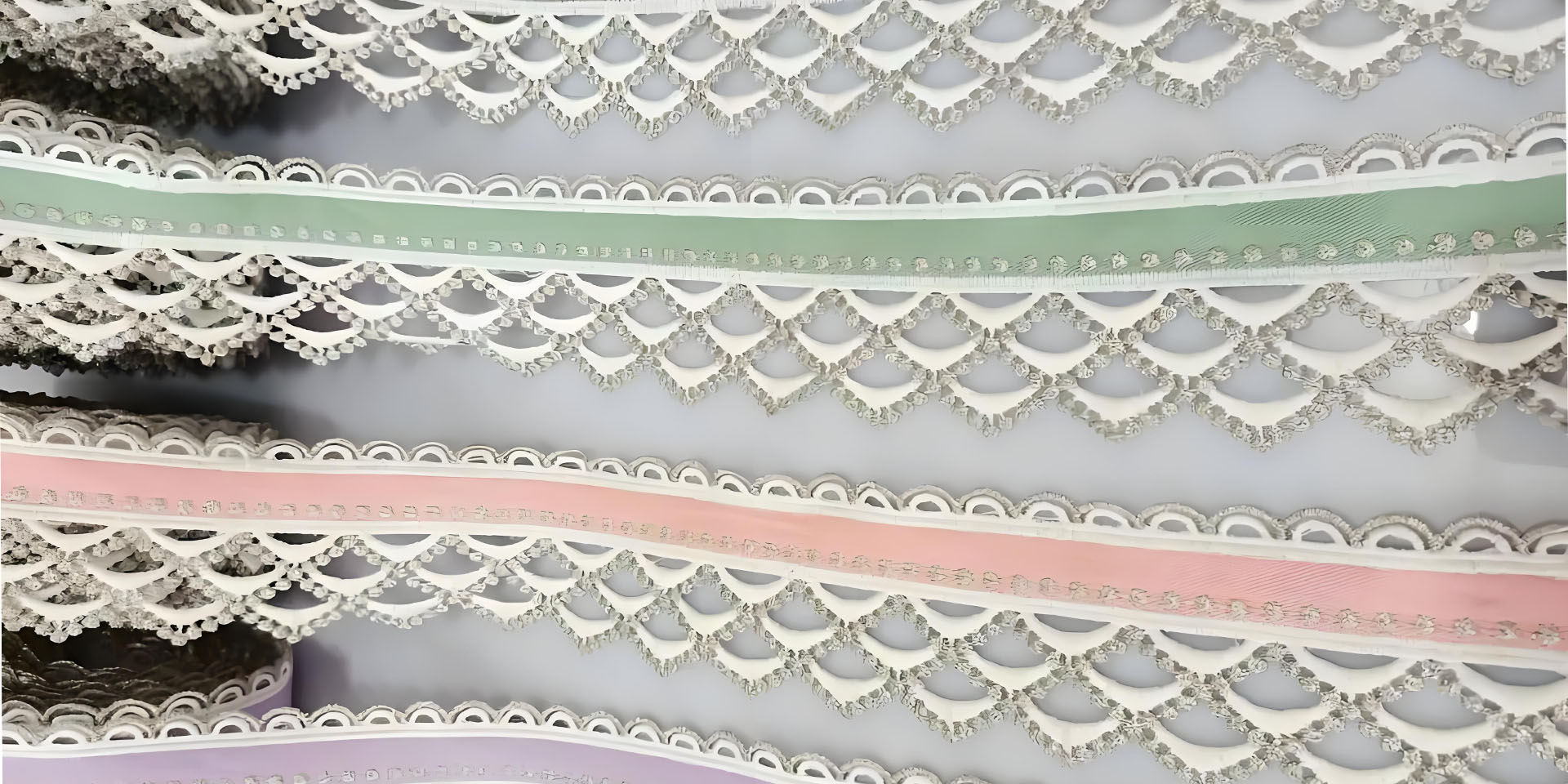
This thread secures seams in blouses, dresses, and children’s clothing in apparel manufacturing. Home textile producers use it for stitching bed linens, pillowcases, and tablecloths. It also serves light industrial purposes, such as assembling lightweight bags or attaching decorative trims to footwear.

-
Tư vấn
 Quá trình tùy chỉnh bắt đầu bằng việc tư vấn chi tiết, nơi chúng tôi thảo luận về nhu cầu cụ thể của khách hàng, bao gồm độ dày chỉ, yêu cầu màu sắc và các đòi hỏi riêng cho từng ứng dụng. Đội ngũ chuyên gia của chúng tôi làm việc chặt chẽ với khách hàng để hiểu rõ các yêu cầu riêng biệt và đưa ra các khuyến nghị.
 -
Báo giá
 Khi các yêu cầu đã được xác định rõ, chúng tôi cung cấp báo giá chi tiết, nêu rõ chi phí, thời gian giao hàng và các thông tin liên quan khác. Báo giá của chúng tôi minh bạch và đầy đủ, đảm bảo khách hàng hiểu rõ các chi phí liên quan.
 -
Sản xuất
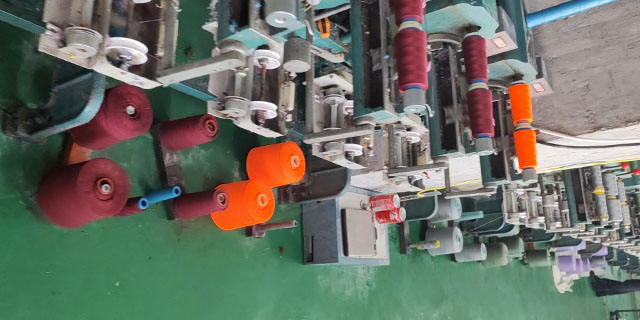 Quy trình sản xuất của chúng tôi rất hiệu quả và tập trung vào chất lượng, đảm bảo các chỉ may tùy chỉnh đáp ứng tiêu chuẩn cao nhất về hiệu suất và độ bền. Chúng tôi sử dụng thiết bị hiện đại và các biện pháp kiểm soát chất lượng nghiêm ngặt để sản xuất chỉ may vượt xa các tiêu chuẩn ngành.
 -
Vận chuyển
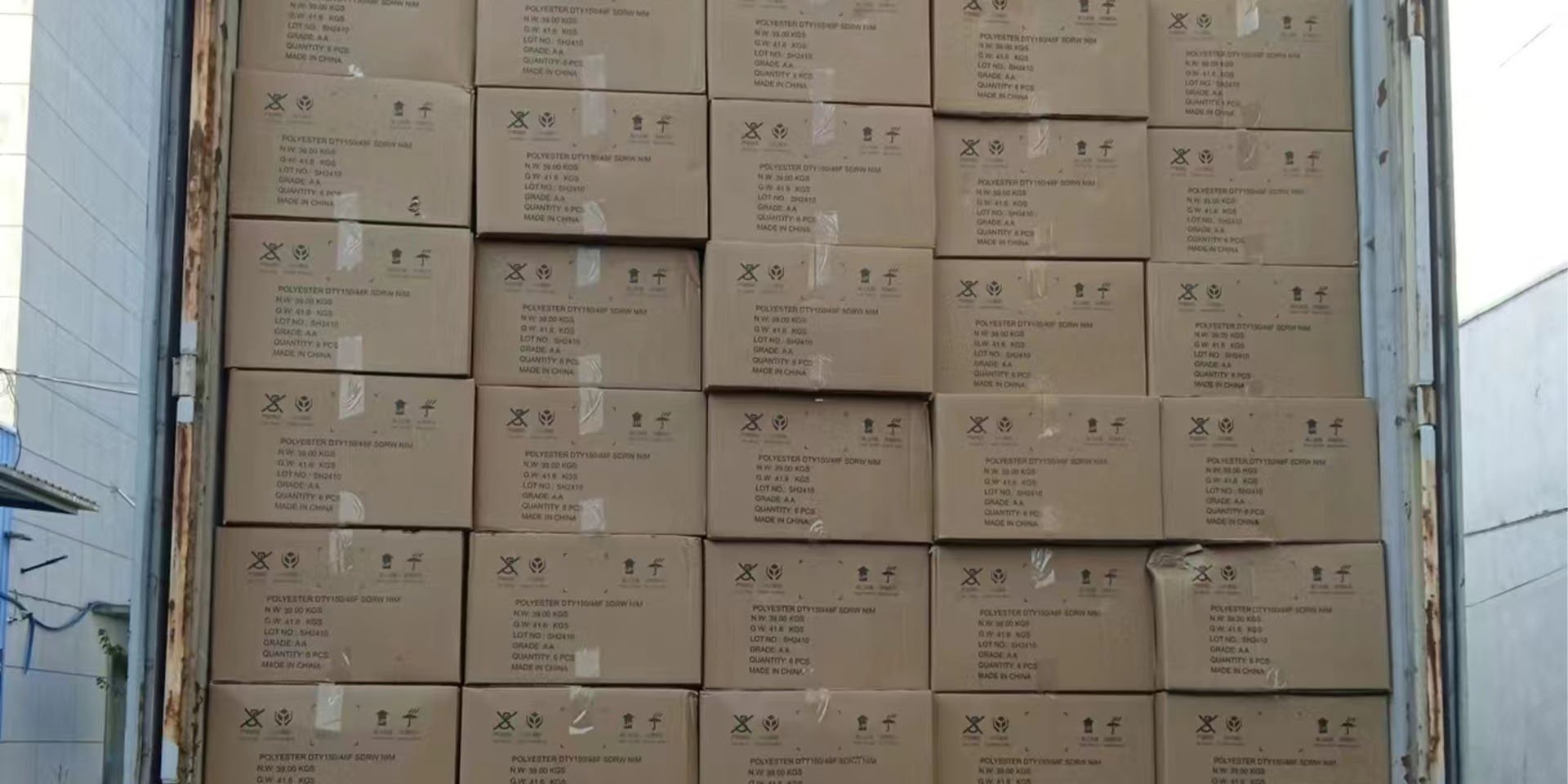 Sau khi sản xuất, các chỉ may tùy chỉnh được đóng gói cẩn thận và vận chuyển đến khách hàng trong thời gian thỏa thuận. Chúng tôi cung cấp các giải pháp logistics đáng tin cậy để đảm bảo chỉ may đến tay khách hàng đúng hẹn và trong tình trạng hoàn hảo.
-
How can I accurately determine whether I should use Polyester sewing thread 60/2 or 60/3 for my project?
The choice depends on three key factors: 1.Fabric thickness: 60/2 is suitable for light to medium fabrics (such as silk, thin cotton, synthetic fibers), while 60/3 is designed for heavy or multi-layered fabrics (such as canvas, leather, car interior). 2.Sewing strength requirements: If it needs to withstand frequent stretching or loads (such as backpacks, car seats), 60/3 is preferred; if it is for daily clothing or home textiles (such as shirts, sheets), 60/2 is more suitable. 3.Sewing machine compatibility: 60/2 is suitable for fine sewing machines with high needle frequency (8-12 stitches/inch), while 60/3 needs to be adapted to heavy equipment with low needle frequency (6-8 stitches/inch).
-
I need a special color, can the customized service meet it? Can the customized color be guaranteed to be exactly the same as the sample I provided?
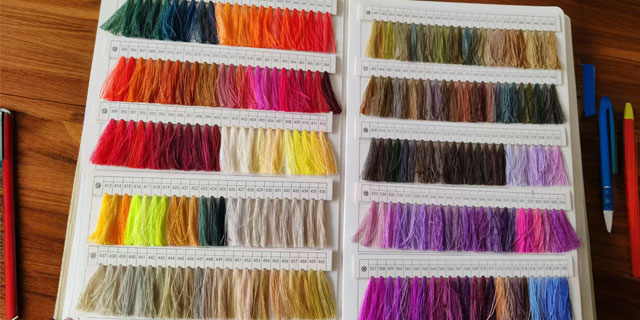
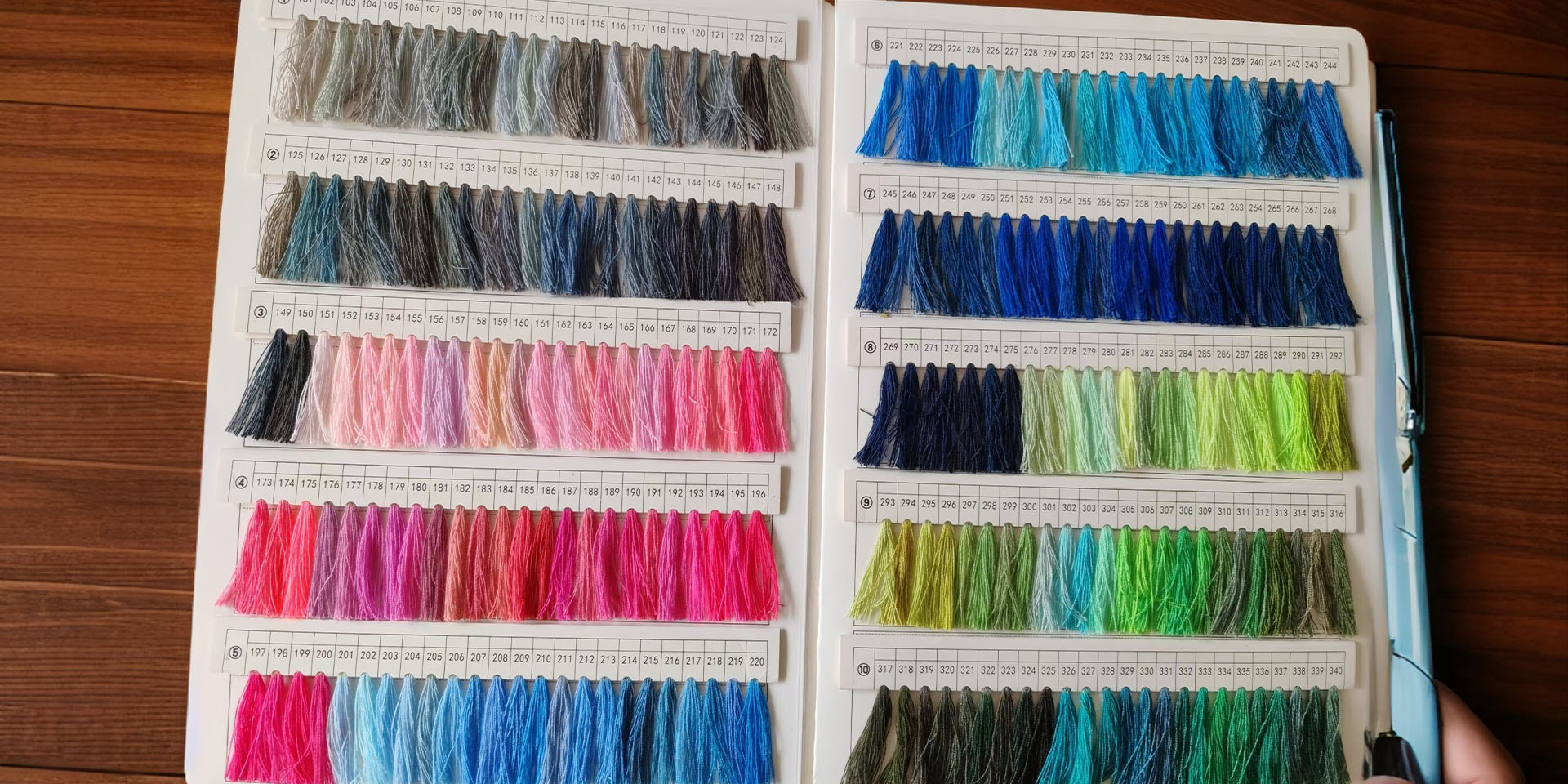
Our customized service can meet your special color needs. We use advanced dyeing technology and professional color matching system to ensure that the customized color is highly consistent with the sample you provide. Before production, we will provide samples for your confirmation to ensure that the color meets your requirements. If necessary, we can also perform color management according to your brand standards to ensure the color stability of each batch.
-
Nếu tôi chọn dịch vụ tùy chỉnh, thời gian từ đặt hàng đến giao hàng là bao lâu? Có thể đẩy nhanh được không?
Thời gian thực hiện dịch vụ tùy chỉnh thường phụ thuộc vào mức độ phức tạp của việc tùy chỉnh và khối lượng đơn hàng. Nhìn chung, từ lúc đặt hàng đến lúc giao hàng mất khoảng 15-25 ngày làm việc. Nếu dự án của bạn có nhu cầu gấp, chúng tôi có thể cung cấp dịch vụ ưu tiên. Chúng tôi sẽ sắp xếp kế hoạch sản xuất phù hợp với nhu cầu cụ thể của bạn để đảm bảo giao hàng đúng hạn.
-
Tiêu chuẩn chất lượng của hai loại chỉ may này là gì? Có chứng nhận hoặc báo cáo thử nghiệm liên quan nào không?
Các sợi may của chúng tôi tuân thủ nghiêm ngặt các tiêu chuẩn chất lượng quốc tế, bao gồm chứng nhận hệ thống quản lý chất lượng ISO 9001 và chứng nhận môi trường OEKO-TEX Standard 100. Mỗi lô sản phẩm đều trải qua các kiểm tra chất lượng nghiêm ngặt, bao gồm kiểm tra độ bền kéo, kiểm tra khả năng chống mài mòn, kiểm tra độ bền màu, v.v. Chúng tôi cũng có thể cung cấp các báo cáo kiểm tra chi tiết theo nhu cầu của bạn để đảm bảo rằng các sợi may bạn sử dụng đáp ứng các tiêu chuẩn cao nhất.
-
Bạn có cung cấp mẫu để thử nghiệm không?
Nhiều nhà cung cấp cung cấp mẫu miễn phí cho khách hàng thử nghiệm, nhưng khách hàng có thể phải trả phí vận chuyển. Bạn nên xác nhận chính sách về mẫu với nhà cung cấp trước khi đặt hàng.
-
Số lượng đơn hàng của tôi có thể tương đối nhỏ. Liệu có yêu cầu về số lượng đặt hàng tối thiểu không? Nếu số lượng đặt hàng nhỏ, liệu điều đó có ảnh hưởng đến giá cả hay thời gian giao hàng không?
Chúng tôi hiểu rằng khách hàng có nhiều nhu cầu khác nhau, vì vậy chúng tôi cố gắng giảm số lượng đặt hàng tối thiểu để đáp ứng nhu cầu của các khách hàng khác nhau. Đối với các thông số kỹ thuật tiêu chuẩn, số lượng đặt hàng tối thiểu là 100 kilogram; đối với các sản phẩm tùy chỉnh, số lượng đặt hàng tối thiểu là một container. Nếu số lượng đặt hàng của bạn nhỏ, chúng tôi vẫn sẽ cố gắng hết sức để đáp ứng nhu cầu của bạn, nhưng giá đơn vị có thể được điều chỉnh tùy theo chi phí tùy chỉnh. Thời gian giao hàng thường không bị ảnh hưởng bởi số lượng đặt hàng nhỏ, và chúng tôi sẽ sắp xếp sản xuất cũng như giao hàng theo quy trình chuẩn.