 Dutch
Dutch  English
  Spanish
  Arabic
  Portuguese
  Russian
  French
  German
  Korean
  Japanese
  Italian
  Turkish
  Vietnamese
  Thai
Thai  Indonesian
  Hebrew
 Learn how to evaluate FDY yarn quality using data-driven methods, including tensile strength, shrinkage, dye uniformity and supplier consistency. A technical guide for global buyers from TextileSupplyChain to help you select reliable FDY manufacturers.
What Really Happens Between Spinning, Drawing and Your Finished Fabric
“Why does one FDY fabric stay smooth after 50 washes, while another starts pilling after three?”
A sourcing manager from Turkey asked this during a supplier audit last quarter. The answer, as simple as it sounds, lies in the FDY yarn—the invisible backbone of textile performance.
Today, the textile world relies on Volledig getwijnd garen (FDY) for its consistency, strength, and efficiency. But how do you truly evaluate its quality beyond the glossy product catalogues? This article explores measurable data, technical parameters, and real-world benchmarks to help global buyers choose wisely.
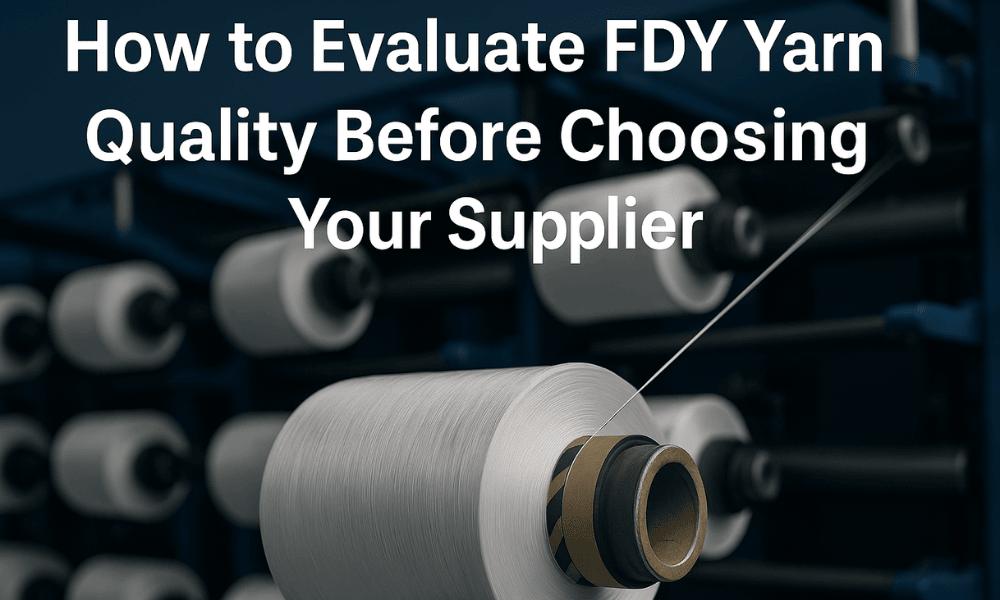
FDY Yarn
Understanding the Science Behind FDY
In textile engineering, FDY (volledig getwijnd garen) refers to a filament yarn that’s fully oriented and drawn during spinning, achieving high tensile strength and excellent uniformity.
According to the European Synthetic Textile Association (ESTA), FDY yarns typically have an elongation rate of 25–40% and a tenacity above 4.5 cN/dtex, outperforming partially oriented yarns (POY) in mechanical stability and dimensional control.
To understand the subtle yet crucial differences between DTY and FDY, see this detailed comparison in DTY vs FDY: Which Polyester Yarn Works Best for Your Textile Needs. It provides benchmark data on elasticity, dye absorption, and end-use adaptability — essential for buyers balancing cost and performance.
Core Performance Indicators of FDY Yarn
When assessing FDY yarn, buyers should focus on measurable metrics that determine real-world usability:
-
Denier Consistency – Variance under ±1% indicates superior spinning control.
-
Boil Shrinkage – Below 5% ensures better fabric dimensional stability.
-
Uster Evenness (CV%) – Ideal range: 0.8–1.5%. Lower numbers equal smoother fabrics.
-
Elongation & Tenacity – Key indicators for mechanical resilience under tension.
-
Dye Uptake Uniformity – High-quality FDY ensures color consistency across batches.
A complete technical breakdown can be found in Fully Drawn Yarn—the resource that defines FDY’s properties from polymerisation to winding.
Case Study: The Polyester FDY Transition in South Asia
Between 2019 and 2024, South Asian textile mills reduced their DTY dependency by 35%, according to data from the Textile Machinery Federation.
One manufacturer in Dhaka switched its warp knitting line from POY to FDY polyester, reporting a 20% reduction in fabric defects and a 15% energy saving due to fewer re-draw cycles. The production throughput improved significantly, confirming that FDY isn’t just a premium material—it’s an operational advantage.
The Buyer’s Dilemma: Price vs. Performance
The challenge isn’t only technical—it’s strategic. Buyers face the ongoing question: Should we prioritise tensile performance or supplier cost?
In the post-pandemic textile market, demand volatility means many mills overemphasise short-term savings. However, FDY yarn sourced from certified suppliers consistently outperforms budget-grade alternatives in terms of lifecycle cost and dye reproducibility.
Op Textile Supply Chain, we encourage transparent supplier benchmarking—using mechanical tests, fiber origin certification, and long-term wash data to ensure procurement aligns with production realities. You can learn more about our commitment to transparency in the Over ons section.
Common FDY Quality Pitfalls to Avoid
-
Moisture Control Errors – Over-dried filaments can lose elasticity by up to 30%.
-
Overtexturing in Processing – Creates microcracks, reducing tensile strength.
-
Substandard Polymer Feedstock – Increases uneven dye absorption and filament breakage.
-
Improper Storage Conditions – Temperature fluctuation above 30°C leads to yarn softening.
-
Batch Mixing Without Index Control – Causes color deviation between lots.
For importers, a pre-shipment laboratory test remains the most reliable safeguard before mass production approval.
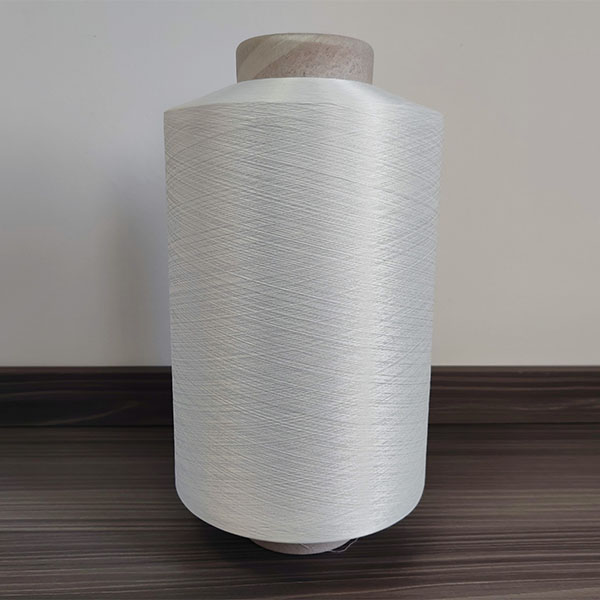
High quality Polyester FDY
Data Snapshot: FDY vs. Competing Yarn Types (2025 Forecast)
| Type garen | Average Tenacity (cN/dtex) | Shrinkage (%) | Dye Uniformity Score | Lifecycle Durability (cycles) |
|---|---|---|---|---|
| FDY | 4.8–5.2 | 3–5 | 96% | 8,000+ |
| DTY | 3.8–4.5 | 6–9 | 88% | 6,000–7,000 |
| POY | 2.8–3.6 | 10–12 | 75% | 4,500–5,000 |
The advantage is statistically clear: FDY consistently delivers a better balance of mechanical reliability en aesthetic finish.
Industry Perspective: Sustainability in FDY Manufacturing
Modern FDY producers are increasingly integrating bio-based PET chips en closed-loop water systems to align with the ESTA 2030 Circular Fibre Framework. This not only reduces emissions but also meets EU traceability requirements.
Such shifts are reflected in the 2025 Global Textile Innovation Index, where FDY ranks among the top three sustainable synthetic yarns by adoption rate.
Getting Started with Reliable FDY Suppliers
Choosing a long-term partner requires more than lab data. It’s about process reliability, logistics efficiencyen after-sale technical support.
If you are exploring verified manufacturers or testing partnerships, reach out to our sourcing consultants via Neem contact met ons op for a guided supplier evaluation.
FAQ
1. What is FDY yarn used for?
FDY yarn is primarily used in weaving and knitting for apparel, home textiles, and industrial fabrics requiring strength and smooth surface texture.
2. What’s the difference between FDY and DTY?
FDY is fully drawn during spinning, giving higher strength and stability. DTY (Draw Textured Yarn) is drawn after spinning for elasticity and softness.
3. How do you test FDY yarn quality?
Tests include denier uniformity, elongation, Uster evenness, shrinkage rate, and dye absorption consistency.
4. Is FDY suitable for recycled polyester blends?
Yes. Recycled FDY using RPET maintains mechanical stability and supports sustainability certifications.
5. Where can I find global FDY suppliers?
You can start from platforms like Textile Supply Chain, where verified FDY yarn manufacturers share data-backed performance reports.

Polyester FDY Yarn Suppliers
Data-Driven Textile Decisions
In 2025 and beyond, choosing FDY yarn is no longer about “who sells cheaper.” It’s about who produces smarter—with traceable polymers, energy-optimised drawing, and consistent product integrity.
By understanding tensile data, production transparency, and sustainability metrics, buyers can transform fabric quality from a guessing game into a measurable science.
Op Textile Supply Chain, our mission is to connect those who value quality with those who produce it.
This matches what our TextileSupplyChain case studies consistently reveal: mills that prioritise controlled spinning tension and monitored moisture levels produce yarns with lower boil-shrinkage, smoother dye uptake, and significantly fewer warp-break incidents during high-speed weaving. When buyers audit FDY suppliers using these scientific benchmarks—rather than relying on catalogue descriptions—they reduce production risk and improve end-product uniformity across batches.As global brands demand stronger, cleaner and more traceable polyester yarns, FDY remains a backbone material for premium textiles. For sourcing managers, the next step is clear: integrate mechanical testing, batch-to-batch monitoring, and supplier transparency into every procurement decision. In a market where performance and consistency drive profitability, understanding FDY at a technical level is not just an advantage—it’s a necessity.

Door Garen
Functie Product
-
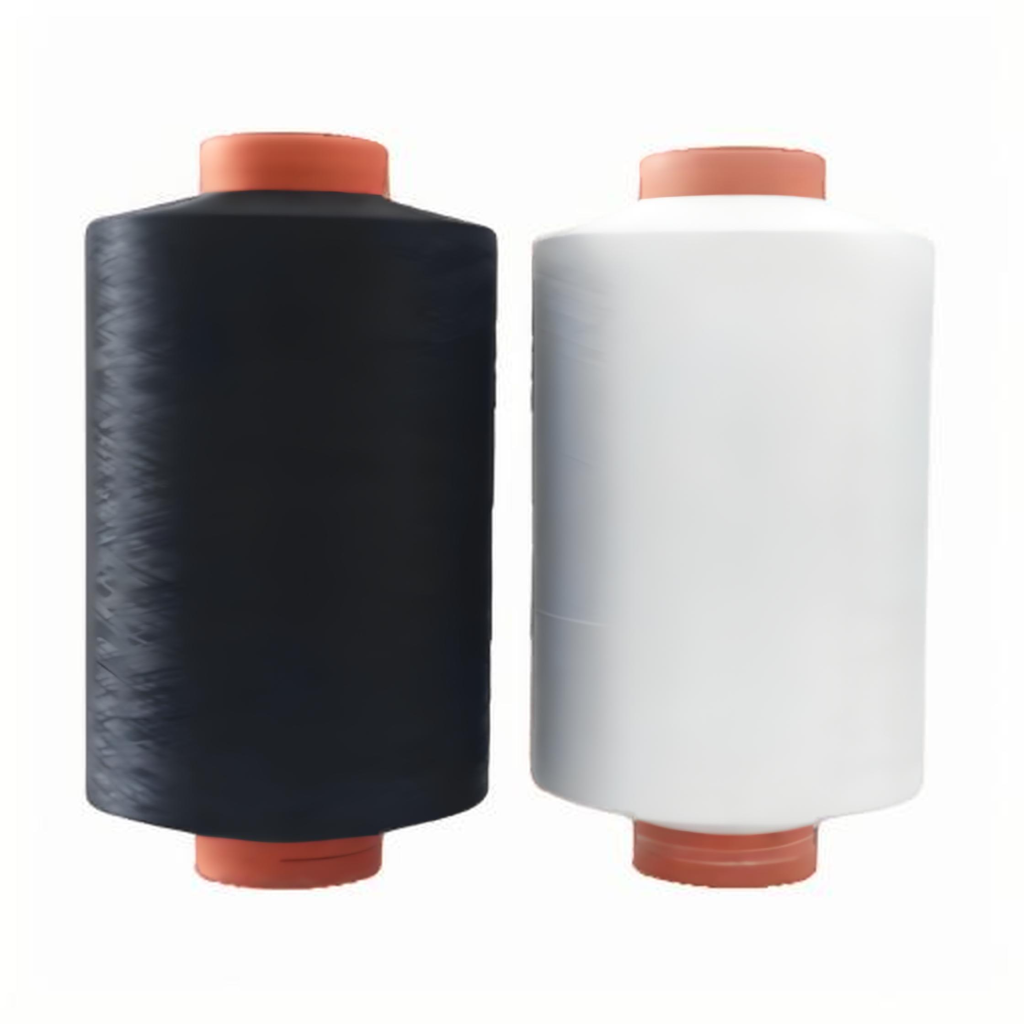 DTY 100D/144F Polyester garen
DTY 100D/144F Polyester Garen: De Ultieme Gidsen...
-
 DTY 100D/96F Polyester Garen
DTY 100D/96F Polyester Garen: De zachte, stabiele...
-
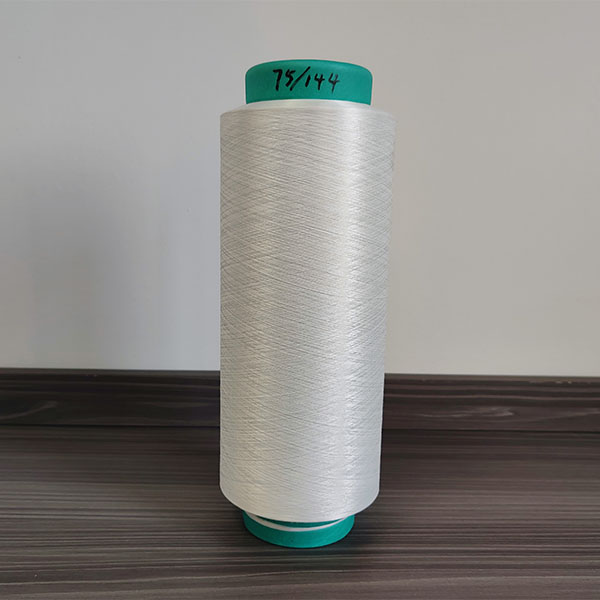 DTY 75D/144F SIM Polyester Garen
DTY 75D/144F SIM Polyester Garen: Een topkeuze voor...