 Thai
Thai  English
  Spanish
  Arabic
  Portuguese
  Russian
  French
  German
  Korean
  Japanese
  Italian
  Turkish
  Vietnamese
  Indonesian
  Dutch
Dutch  Hebrew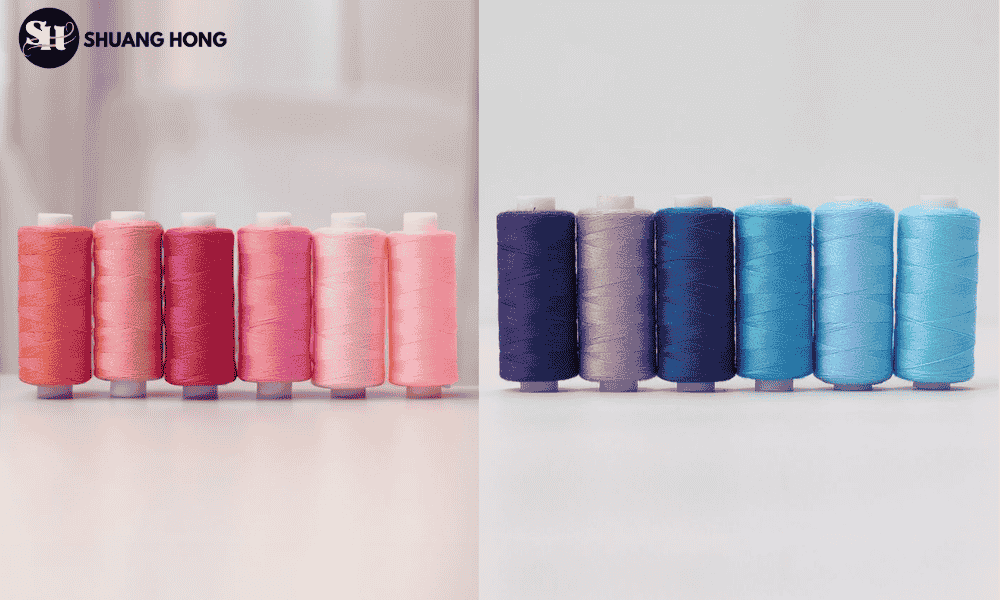
Our high-quality Sewing Threads are perfect for all your sewing needs. Durable and strong, they ensure reliable results for clothing, crafts, and home projects. Available in a variety of colors and thicknesses to suit any task.
Ensuring consistent quality in textile production requires clear, rigorous standards. In China, the thread classification system in China is governed by the national standard GB/T 6836-2007, which specifies the grading และ evaluation criteria for sewing threads.
This comprehensive guide examines how grades are defined, the three main quality categories, the role of internal และ external quality factors, the rules for final grade determination, และ the implications for exporters และ importers navigating China’s textile market. By the สิ้นสุด of this article, readers will understand how the thread classification system in China ensures reliability, safety, และ performance in sewing applications across industries.
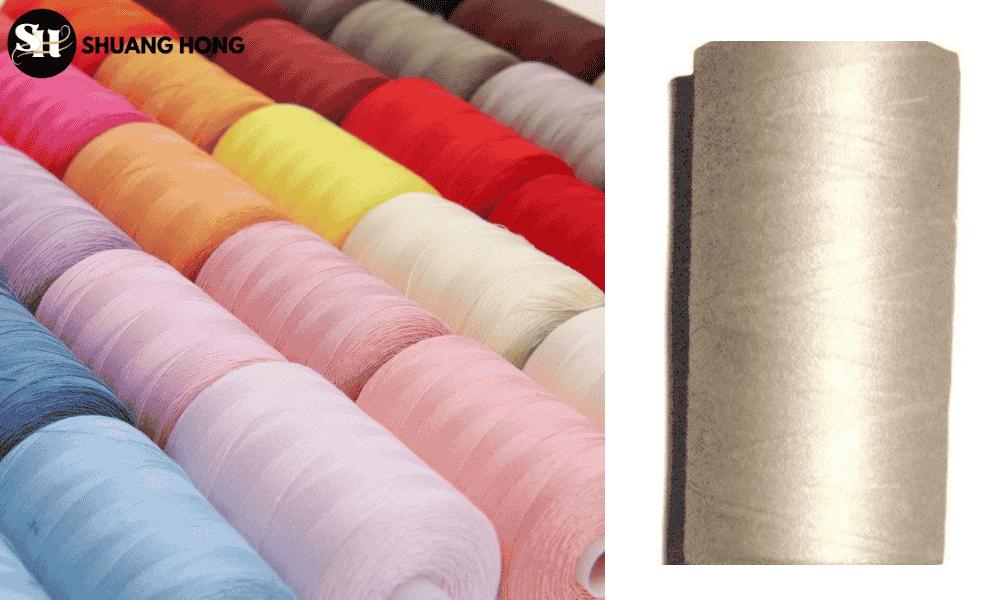
Sewing Threads
Grade reflects the overall quality level of Sewing Threads
Under GB/T 6836-2007, grade serves as a succinct indicator of a sewing thread’s performance in key quality attributes. This classification encapsulates a variety of standardized tests, which together determine whether a thread meets the highest benchmarks for strength, appearance, uniformity, และ more.
In practice, factories perform a battery of assessments—tensile strength, elongation, evenness, hairiness, twist per meter, และ color fastness—to generate a profile of a thread’s capabilities. The thread classification system in China then aggregates these results into a numerical grade, which tells manufacturers และ end-users at a glance the level of quality they can expect.
เอ higher grade number signifies superior overall quality: fewer defects, greater mechanical performance, และ better consistency. สำหรับ example, a Grade I thread will exhibit minimal variation in linear density และ an exceptionally smooth surface, ensuring high stitch integrity และ reduced machine downtime due to breakage.
Conversely, a lower grade may have higher hairiness or wider tensile strength deviation, which can be acceptable for less demanding applications—such as packaging, where aesthetic และ performance requirements are not as stringent. By quantifying performance through grade, the thread classification system in China promotes transparency และ comparability across diverse product lines.
Three categories encompass Premium, First-Class, และ Qualified sewing threads
GB/T 6836-2007 divides sewing threads into three distinct categories—Premium, First-Class, และ Qualified—each corresponding to specific grade ranges และ quality thresholds. These categories enable textile professionals to select the right thread class for their สิ้นสุด products without delving into individual test values.
-
Premium Category: Threads with the highest grades, typically Grades I และ II, fall into this tier. Premium sewing threads demonstrate exceptional uniformity, minimal hairiness, และ superior tensile properties. They are ideal for luxury garments, high-performance sportswear, technical textiles, และ any application where both appearance และ ความทนทาน are paramount.
-
First-Class Category: Encompassing Grades III และ IV, First-Class sewing threads offer a balance of performance และ cost-effectiveness. These threads are commonly used in everyday apparel manufacturing, home textiles, และ mid-range products. They meet strict quality limits but may exhibit slightly higher hairiness or minor unevenness compared to Premium threads.
-
Qualified Category: Grades V และ VI define this entry-level tier. Qualified sewing threads satisfy baseline safety และ functional criteria, making them suitable for non-critical stitching tasks—such as industrial bags, basic upholstery, or bulk packaging fabrics—where fine aesthetic รายละเอียด or extreme strength is less crucial.
This three-tiered approach simplifies procurement for manufacturers: by specifying the desired category rather than multiple technical parameters, buyers can ensure that the thread classification system in China delivers consistent performance aligned with end-use requirements.
Internal quality และ external quality jointly influence sewing thread grades
Within GB/T 6836-2007, the thread classification system in China evaluates two broad dimensions of quality: internal attributes และ external attributes. Internal quality refers to measurable mechanical properties, while external quality covers the thread’s physical appearance และ surface characteristics.
Internal quality metrics include:
-
Tensile strength: The maximum load the thread can bear before breaking, crucial for preventing seam failure.
-
Elongation: The thread’s ability to stretch under stress, which affects seam elasticity และ resistance to sudden loads.
-
Linear density deviation: Variation in yarn count along the thread’s length. Excessive deviation can lead to uneven stitches และ production issues.
-
Twist consistency: Uniform twist level determines balance between strength และ flexibility.
External quality factors encompass:
-
Hairiness: The presence of loose fiber ends on the thread surface, which influences friction in sewing machines และ the smoothness of the final stitch.
-
Surface defects: Including slubs, neps, or foreign particles that impact appearance และ may cause machinery snags.
-
Color fastness: Resistance of dyed threads to fading or bleeding during washing, light exposure, or dry cleaning.
-
Luster และ hand feel: Particularly relevant for decorative or visible stitching.
Both internal และ external attributes are assigned specific weightings in the grading calculation. สำหรับ instance, tensile strength deviations may contribute more heavily in the Premium category, whereas hairiness limits tighten for applications where visual quality is critical. By incorporating a holistic evaluation, the thread classification system in China ensures that no single attribute unfairly skews the grade, fostering balanced product performance.
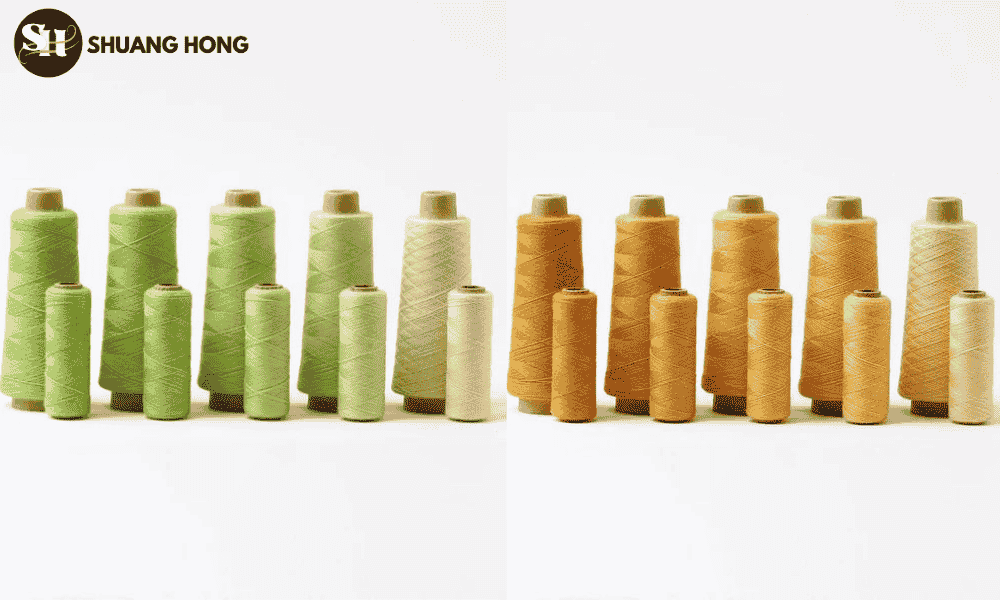
Light Colored Fine Sewing Threads
Final grade determination follows a structured set of rules
The process of assigning a final grade under GB/T 6836-2007 is a multi-step procedure designed for consistency และ repeatability. After laboratory tests are completed, raw scores for each attribute are converted into sub-grades based on defined thresholds. These sub-grades are then combined according to predetermined rules:
-
Single-factor sub-grade: Each test yields a score graded on a 1–6 scale, where 1 is the best และ 6 the lowest acceptable.
-
Weighted aggregation: Certain quality indicators carry greater significance within each category. สำหรับ example, tensile strength และ linear density deviation may account for 40 percent of the Premium grade calculation, whereas hairiness might represent only 10 percent.
-
Category constraints: เอ thread exhibiting an exemplary internal score but failing external benchmarks cannot achieve a Premium grade. Minimum sub-grade requirements must be met across both quality dimensions.
-
Grade rounding: The aggregate score is rounded according to GB/T 6836-2007 conventions—typically to the nearest whole number—to assign the final grade.
The result is a clear, integer-based grade from I to VI, corresponding to Premium through Qualified classes. Manufacturers often label spools or cones with both the numerical grade และ the category name (e.g., “Grade II – Premium”) to streamline purchasing และ inventory management. This systematic approach underscores the strength of the thread classification system in China: objective, transparent, และ tailored to diverse textile applications.
Exporters และ importers must align with China’s classification requirements
สำหรับ companies trading sewing threads internationally, understanding the thread classification system in China is essential to ensure smooth customs clearance, maintain product reputation, และ meet buyer specifications.
Exporters shipping Chinese-manufactured thread must provide test reports demonstrating compliance with GB/T 6836-2007, including detailed sub-grade results และ final grade certification from accredited laboratories. Failure to supply proper documentation can lead to customs delays or rejection by quality-conscious clients abroad.
Importers sourcing thread from China should incorporate grade requirements into purchase orders—specifying not only the desired grade but also the relevant test method standards (e.g., ISO or ASTM equivalents).
They may also request third-party verification to confirm that claimed grades match actual laboratory findings. In addition, buyers should be aware that certain high-สิ้นสุด markets—such as European automotive upholstery or medical textile sectors—demand tighter quality tolerances than the baseline national standard. In these cases, importers may negotiate supplementary tests or custom grade adjustments.
Moreover, fluctuations in China’s raw material costs, currency exchange rates, และ manufacturing capacity can affect thread pricing across grades. Exporters และ importers alike must monitor these factors to maintain competitive pricing while upholding the integrity of the thread classification system in China. Long-term partnerships often hinge on mutual trust in grade consistency และ transparent quality communication.
The thread classification system in China supports continuous improvement และ innovation
Beyond facilitating immediate procurement decisions, GB/T 6836-2007 encourages manufacturers to pursue ongoing process enhancements. By tracking grade distributions over time—such as the percentage of production achieving Premium versus Qualified status—factory managers can identify bottlenecks in spinning, dyeing, or twisting operations.
Quality engineers can then implement targeted interventions, whether optimizing machine settings to reduce hairiness or refining resin formulations for better color fastness.
Research institutions และ industry associations also leverage classification data to benchmark performance across the domestic sector. Annual reports may reveal trends in average grades, shedding light on technological advancements or areas requiring collective investment. Innovative fiber blends (e.g., core-spun composite threads), eco-friendly dyeing techniques, และ automation-driven quality control systems are more rapidly adopted when guided by the clear metrics of the thread classification system in China.
Through this feedback loop between classification และ R&D, China’s sewing thread industry raises the overall standard, fosters competitiveness, และ aligns with global trends toward high-performance และ sustainable textiles.
Summary of the thread classification system in China และ its significance
China’s GB/T 6836-2007 standard for sewing thread classification provides a robust framework for evaluating และ communicating thread quality. By defining clear grade levels—Premium, First-Class, และ Qualified—และ establishing structured rules for aggregating internal และ external quality metrics, the thread classification system in China ensures consistent product performance across diverse applications.
Manufacturers benefit from streamlined production targets และ quality improvement pathways, while exporters และ importers gain confidence in transparent, standardized grading.
Understanding the nuances of grade meanings, the three-tiered category structure, the interplay of mechanical และ visual factors, และ the final determination rules is essential for anyone involved in textile manufacturing or trade.
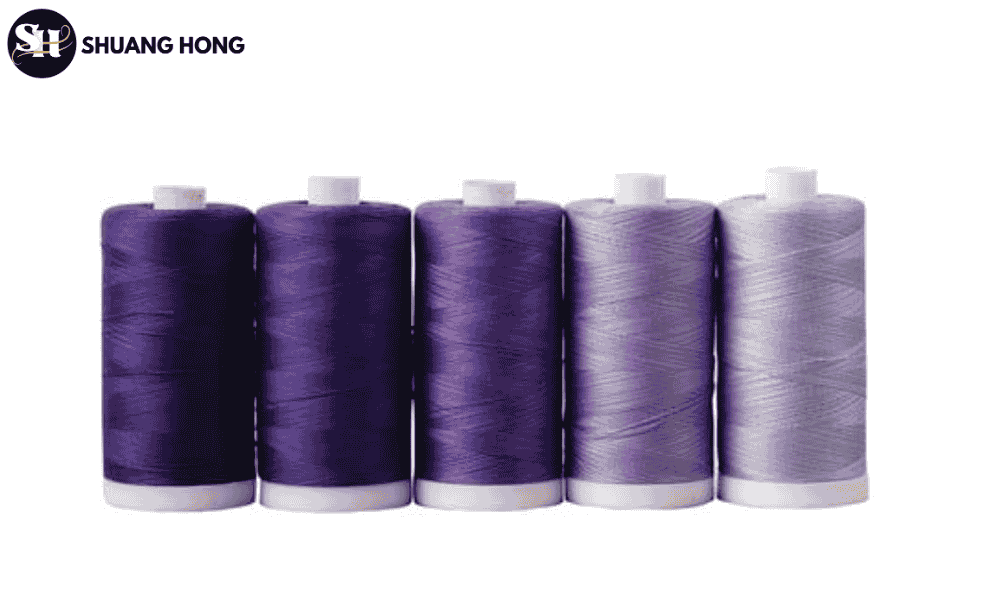
Sewing Threads Suppliers
As the industry evolves—with new fibers, processes, และ sustainability imperatives—the thread classification system in China remains a cornerstone, guiding innovation และ quality assurance. By embracing these guidelines, stakeholders at every stage—from spinners to global apparel brands—can achieve reliable stitching performance, minimize waste, และ deliver superior สิ้นสุด products to the market.
ตัวอย่าง: "ต้องการเรียนรู้เพิ่มเติมเกี่ยวกับ Sewing Threads? ติดต่อเราตอนนี้เพื่อรับใบเสนอราคา!
ข่าวก่อนหน้านี้
Polyester Yarn Tariff Break: What It Means for ...ข่าวต่อไป
อะไรที่ทำให้เส้นด้ายโพลีเอสเตอร์ปั่นเป็นตัวเลือกอันดับหนึ่ง...
โดย ยาร์น
สินค้าแนะนำ
-
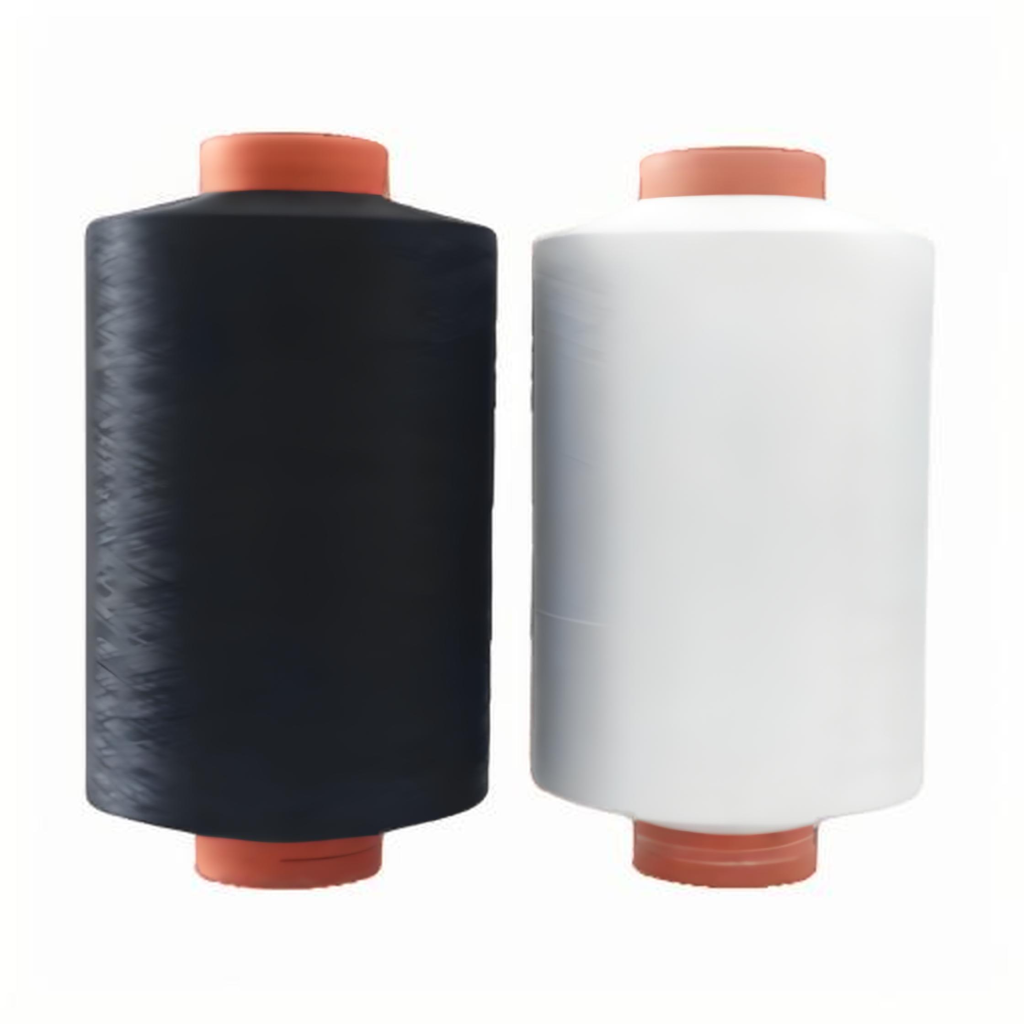 ด้ายโพลีเอสเตอร์ DTY 100D/144F
DTY 100D/144F เส้นด้ายโพลีเอสเตอร์: คู่มือสุดยอด...
-
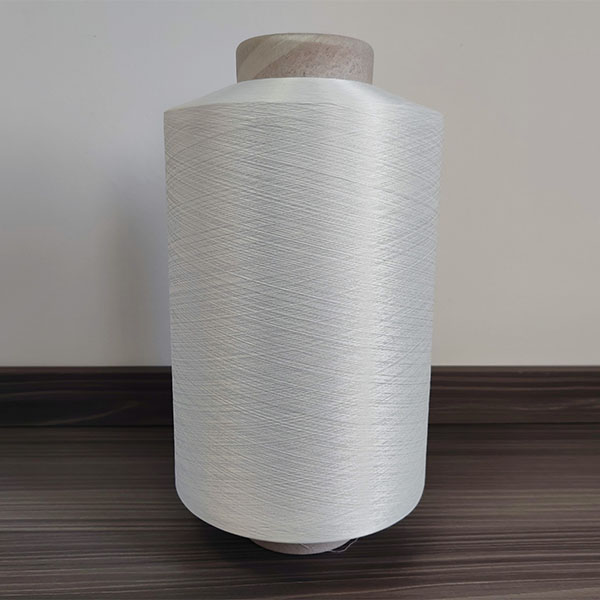 ด้ายโพลีเอสเตอร์ DTY 100D/96F
DTY 100D/96F เส้นด้ายโพลีเอสเตอร์: นุ่ม คงตัว...
-
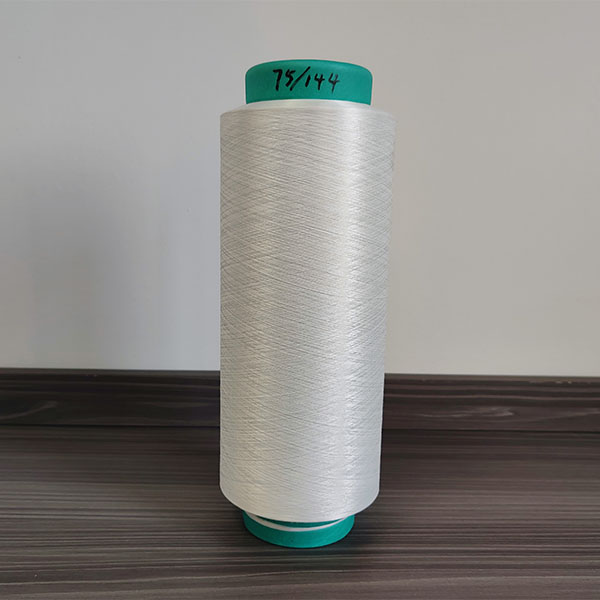 ด้ายโพลีเอสเตอร์ DTY 75D/144F SIM
DTY 75D/144F SIM โพลีเอสเตอร์: ตัวเลือกอันดับหนึ่ง...