 Thai
Thai  English
  Spanish
  Arabic
  Portuguese
  Russian
  French
  German
  Korean
  Japanese
  Italian
  Turkish
  Vietnamese
  Indonesian
  Dutch
Dutch  Hebrew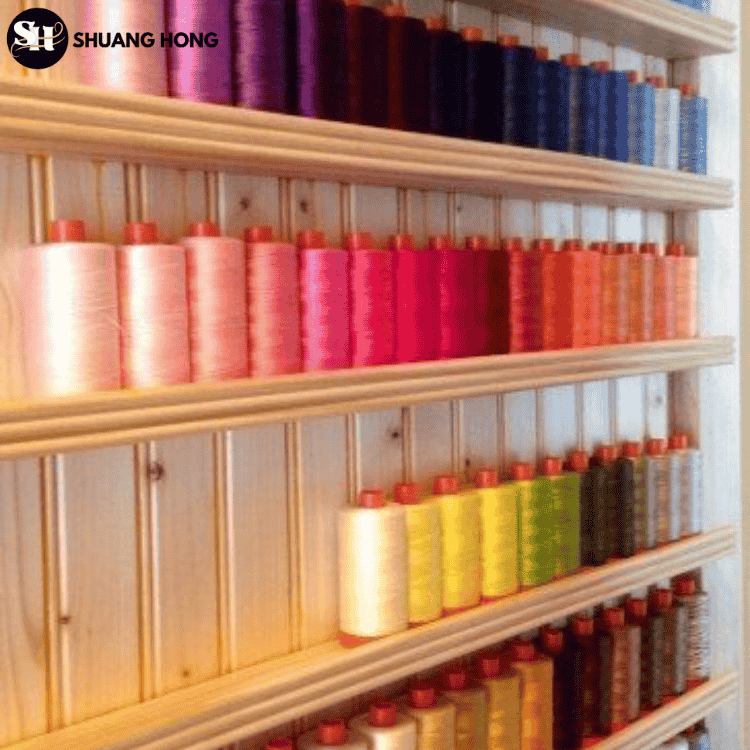
In the textile industry, the quality of sewing threads doesn’t only depend on manufacturing processes. Equally vital are the post-production steps—how threads are packaged, transported, และ stored. Even the highest-quality threads can suffer damage, deformation, or contamination if they are not handled according to established standards. As such, thread packaging และ storage standards are a crucial aspect of thread logistics และ product quality assurance.
The Chinese national standard GB/T 6836-2007 not only defines performance และ visual criteria for sewing threads but also provides detailed guidance on proper packaging, labeling, transportation, และ storage practices. By adhering to these guidelines, manufacturers และ suppliers can protect the structural integrity, color consistency, และ usability of their threads throughout the supply chain.
This article outlines the key principles และ practices related to thread packaging และ storage standards, based on the GB/T 6836-2007 guidelines. From packaging protocols to first-in-first-out storage rules, every step plays a role in maintaining thread performance from factory to final application.
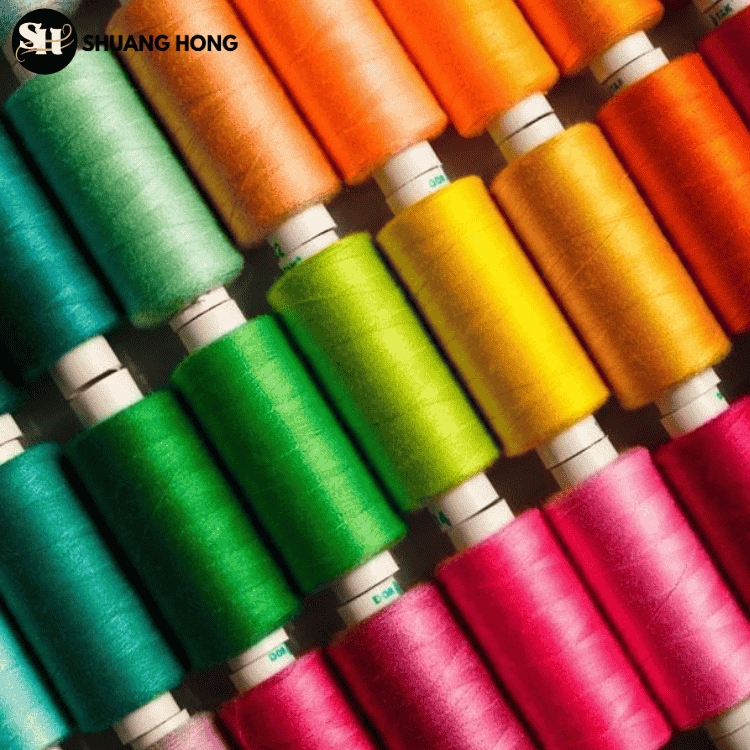
Yarn supplier
The Role of Packaging in Thread Logistics Is Essential to Quality Control
Proper packaging is more than a formality—it’s a defensive barrier that shields threads from dust, moisture, mechanical pressure, UV exposure, และ contamination during handling และ transport. In thread logistics, packaging must ensure the spools or cones are kept clean, intact, และ free from damage, whether they are shipped locally or internationally.
According to thread packaging และ storage standards, the primary function of packaging is to preserve the original condition of threads as they leave the production line. Poor packaging can lead to deformation of cones, tangling, thread breakage, or dye migration due to environmental exposure. These issues not only degrade product quality but also cause delays, rework, และ dissatisfied customers.
Packaging also supports inventory organization และ warehouse handling. Sturdy cartons และ modular packing units improve stacking efficiency, simplify unloading, และ reduce handling errors. Therefore, investing in high-quality packaging is a fundamental part of quality assurance และ logistics planning.
GB/T 6836 Packaging Requirements Provide Clear Structural Guidelines
The GB/T 6836-2007 standard provides precise packaging requirements for sewing threads, ensuring uniform protection across different product categories. The guidelines define acceptable packaging materials, dimensions, sealing methods, และ cleanliness criteria.
สำหรับ example, thread cones or spools must be wrapped in protective plastic or moisture-resistant films to avoid humidity absorption และ contamination. These individual units are then packed into cardboard cartons that are strong enough to withstand stacking pressure และ transport stress. Cartons must be sealed firmly with adhesive เทป or straps to avoid accidental opening.
Furthermore, thread packaging และ storage standards highlight that packaging should prevent compression และ displacement of threads inside the box. Foam inserts, separators, or molded trays are often used to maintain spool shape และ positioning. This ensures that threads retain their tension, structure, และ unwinding characteristics upon use.
The standard also emphasizes the use of clean, odor-free materials. Any packaging component that can emit volatile substances or attract moisture should be strictly avoided, as it may affect the thread’s dye stability or surface texture.
Labeling, Identification, และ Safety Norms Are Crucial for Traceability
Accurate labeling is a key component of thread packaging และ storage standards, as it allows for easy traceability, compliance checks, และ efficient inventory management. Every package should contain a label that includes essential information such as:
-
Product name
-
Batch or lot number
-
Yarn count และ ply
-
Color code or dye lot
-
การผลิต date
-
Manufacturer’s name และ contact
-
GB/T 6836 conformity indication
Proper identification enables quality inspectors และ warehouse staff to verify product specifications without opening the packaging. It also facilitates traceability in case of quality complaints or returns.
Safety labeling is another aspect of compliant packaging. Labels must be printed in fade-resistant ink และ fixed securely to the outer carton. สำหรับ export shipments, international safety symbols และ handling instructions such as “Keep Dry,” “Fragile,” or “This Side Up” should also be displayed.
By complying with these labeling requirements, companies can ensure their threads are not only properly stored but also efficiently managed across the logistics chain—an important aspect of meeting modern thread packaging และ storage standards.
Transportation Precautions Help Prevent Damage in Transit
Even the most robust packaging cannot prevent thread damage if transportation practices are not aligned with best standards. GB/T 6836 recommends several precautions to ensure threads reach their destination in optimal condition.
First, transport vehicles must be clean, dry, และ well-ventilated. Moist or dusty truck beds can transfer contaminants onto packaging, which may eventually penetrate และ damage the thread. During loading, cartons should be stacked carefully, with heavier boxes on the bottom และ weight evenly distributed.
Shock และ vibration during transit can cause cone deformation or internal tangling if threads are not securely packed. Therefore, using stretch wrap or pallet straps is recommended to keep packages stable. Long-distance shipments should ideally be containerized และ cushioned to reduce impact.
Temperature และ humidity control is also essential. Threads, especially those with synthetic fiber content, may become brittle or discolored under extreme heat or humidity. Using desiccant packs และ moisture barriers during transport is a best practice under thread packaging และ storage standards.
Shipping documentation should clearly identify contents และ any handling instructions to avoid misuse. เอ transportation checklist, signed off by both the shipper และ receiver, helps ensure accountability และ reduce damage claims.
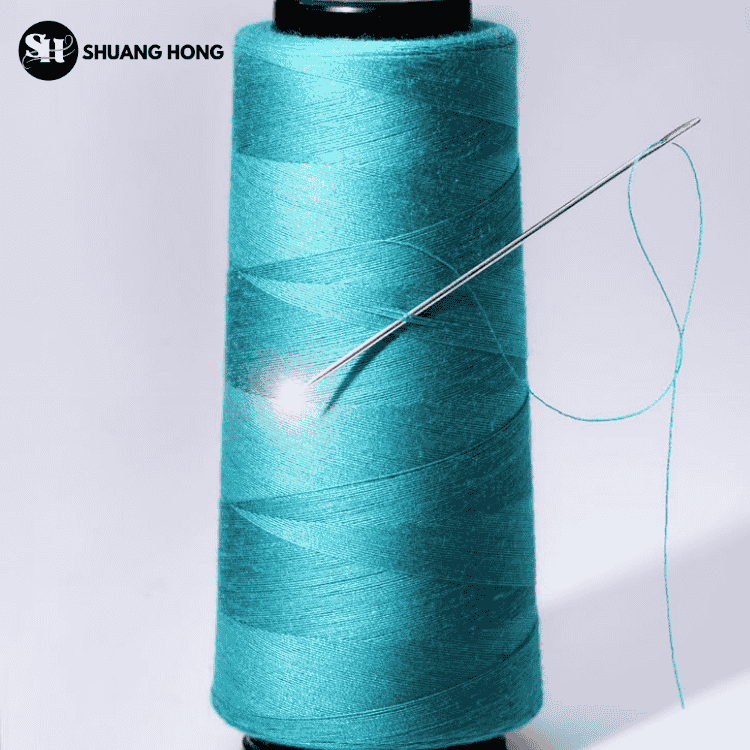
thread packaging and storage standards
Best Practices for Storage และ First-In-First-Out Rules Improve Shelf Stability
Storage plays a critical role in preserving the quality of sewing threads. Improper storage conditions can lead to discoloration, degradation, mold growth, or breakage—especially over prolonged periods. GB/T 6836 และ other thread packaging และ storage standards outline the ideal storage environment และ rotation practices.
The recommended storage environment for threads includes:
-
เอ clean, dry warehouse free of dust, insects, และ pollutants
-
Ambient temperatures between 15°C และ 30°C
-
Relative humidity maintained at 50%–65%
-
Protection from direct sunlight or fluorescent lighting
Storage racks should be elevated from the floor to prevent moisture absorption. Cartons must be placed away from heat sources, open windows, or chemical storage areas. Stacking should follow manufacturer guidelines to prevent package collapse.
One of the most important warehouse management principles is the First-In-First-Out (FIFO) rule. This ensures older thread batches are used before newer ones, reducing the risk of aging-related degradation. Proper inventory rotation avoids waste และ keeps the stock fresh, especially when dealing with threads that have coatings, special finishes, or bright dyes.
Organizing inventory with barcode systems และ digital tracking software makes FIFO implementation easier และ more reliable. This level of control aligns perfectly with international thread packaging และ storage standards, ensuring consistency และ quality at every stage.
Conclusion
Proper packaging และ storage of sewing threads are non-negotiable components of product quality management. As highlighted in the GB/T 6836-2007 guidelines, every step—from packaging material selection to warehouse climate control—contributes to the overall durability, usability, และ reliability of the thread.
Adherence to thread packaging และ storage standards protects threads from environmental hazards, handling damage, และ deterioration during storage or shipping. It ensures threads arrive in perfect condition, ready for high-speed sewing และ long-lasting applications. Accurate labeling และ identification promote better logistics management, while safe transport practices minimize loss และ damage. In the warehouse, proper shelving, FIFO practices, และ environmental control guarantee that every spool of thread maintains its intended characteristics until it is used.
สำหรับ manufacturers, distributors, และ retailers in the textile supply chain, implementing these best practices is not merely about meeting compliance—it is a strategic move to enhance product reputation, reduce defects, และ build customer trust. As the market grows more demanding, companies that invest in strong thread packaging และ storage standards will have a significant advantage in quality assurance และ brand performance.