 Thai
Thai  English
  Spanish
  Arabic
  Portuguese
  Russian
  French
  German
  Korean
  Japanese
  Italian
  Turkish
  Vietnamese
  Indonesian
  Dutch
Dutch  Hebrew
 Discover efficient sewing thread testing methods to ensure quality and durability. These methods help maintain high standards for all your sewing projects, whether for clothing, crafts, or industrial use.
Introduction: Understanding the Importance of Sewing Thread Testing
In the textile และ apparel industry, the reliability of a product often depends on the quality of the sewing thread used. From industrial เสื้อผ้า to outdoor equipment และ fine fashion pieces, the role of the sewing thread is not merely to hold materials together, but to ensure durability, consistency, และ performance. To meet these demands, sewing thread testing methods play a vital role in manufacturing และ quality assurance.
Based on the Chinese national standard GB/T 6836-2007, this article explores the most essential sewing thread testing methods every manufacturer, quality controller, or textile researcher should be familiar with.
By understanding และ applying these testing standards correctly, manufacturers can not only comply with national regulations but also achieve higher customer satisfaction, reduce return rates, และ improve product reputation in both domestic และ international markets. The following sections รายละเอียด key mechanical และ chemical tests, visual inspections, และ lab practices required to evaluate sewing threads comprehensively.
The Importance of Testing Sewing Threads for Quality Assurance
Testing sewing threads is crucial for identifying potential defects, ensuring product consistency, และ meeting both customer expectations และ regulatory standards. Threads are subjected to significant stress during stitching และ in the lifespan of the final product. Weak or subpar threads can result in seam failure, poor visual aesthetics, และ ultimately product recalls or customer dissatisfaction.
By adopting standardized sewing thread testing methods, manufacturers can gain better control over thread production variables such as fiber content, wax coatings, tension resistance, และ colorfastness. These procedures also provide documented data that supports quality claims และ certifications, which are essential in global textile trade.
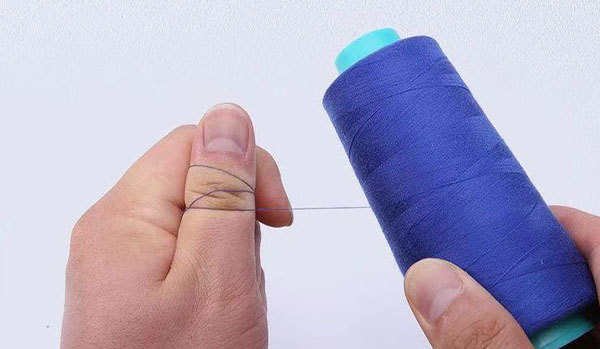
Quality Requirements for Polyester Threads
Core Testing Methods for Sewing Threads Based on GB/T 6836-2007
The GB/T 6836-2007 standard outlines a comprehensive set of sewing thread testing methods that include mechanical, chemical, และ visual evaluations. These methods help determine whether a thread meets the necessary performance และ aesthetic standards for its intended use. The tests covered in this article include breaking strength, color fastness, thread density, moisture content, และ visual inspections, among others.
Each method is carried out under controlled conditions to ensure repeatability และ reliability. Below, we delve into each of these testing protocols และ explain their significance in the assessment process.
Breaking Strength Test According to GB/T 3916
Breaking strength is one of the most fundamental parameters measured in sewing thread testing methods. According to GB/T 3916, this test involves stretching the thread until it breaks using a tensile strength machine. The result is expressed in centinewtons (cN) or grams-force (gf), depending on the system used.
This test helps manufacturers ensure that the sewing thread can withstand the mechanical stress of stitching operations และ post-production use. Higher strength values indicate better resistance to tension และ potential seam failure. Different applications—such as automotive upholstery, military gear, or fashion garments—require specific strength standards.
Testing must be performed under standard atmospheric conditions (20°C ±2°C และ 65% ±2% relative humidity) to eliminate variable effects on material performance. The breaking strength test can also reveal inconsistencies in spinning, dyeing, or finishing processes.
Color Fastness Tests: GB/T 3920 และ GB/T 3921.3
Color fastness is critical in sewing threads, especially when used in visible seams or high-สิ้นสุด fashion. The GB/T 3920 และ GB/T 3921.3 standards evaluate the thread’s ability to retain color under exposure to washing และ rubbing.
GB/T 3920 focuses on dry และ wet rubbing fastness. เอ piece of white cloth is rubbed against the dyed thread under controlled pressure และ conditions. Afterward, the white cloth is assessed using a grey scale to determine the amount of color transfer.
GB/T 3921.3 is a washing fastness test, which simulates domestic or commercial laundering. This is particularly important for threads used in home textiles และ apparel that require frequent cleaning. The thread is sewn into a fabric composite, then washed using standardized detergent และ evaluated for color fading or transfer.
Both of these sewing thread testing methods are essential to ensure aesthetic quality, customer satisfaction, และ compliance with eco-label requirements, particularly in exports.
Thread Density Measurement Based on GB/T 4743
Thread density, often measured in tex or denier, defines the linear mass of a sewing thread. According to GB/T 4743, the density is calculated by weighing a known length of thread และ expressing the result in tex (grams per 1,000 meters).
This test is vital in classifying thread thickness, selecting appropriate needle sizes, และ matching threads to specific fabric weights. Uniform density ensures even stitches และ reduces the risk of tension variation during sewing.
Moreover, deviations in density can affect strength, elasticity, และ final product appearance. Thus, this is one of the sewing thread testing methods that influences both functional และ visual aspects of textile production.
Evaluating Tension, Moisture Content, และ Knot Characteristics
Tension control is critical in both thread production และ sewing operations. Threads that exhibit inconsistent tension can lead to seam puckering or skipped stitches. Testing thread elongation under tension provides insight into elasticity และ performance under stress.
Moisture content is also evaluated using drying methods. Excess moisture may lead to fungal growth or deterioration during storage, while too little moisture can cause brittleness. เอ balanced moisture level is essential for maintaining thread pliability และ strength.
Knot และ splice evaluation is another part of comprehensive sewing thread testing methods. Too many knots per meter can interfere with machine sewing, reduce visual appeal, และ compromise seam integrity. Threads should be spooled with minimal knots และ properly fused splices.
These tests contribute to overall product quality และ help detect issues such as over-twisting, uneven winding, or poor finishing during production.
Visual Inspection Standards to Identify Surface และ Structural Defects
While mechanical และ chemical tests are essential, visual inspection remains an irreplaceable aspect of sewing thread testing methods. According to GB/T 6836-2007, threads must be examined under adequate lighting conditions และ magnification to identify physical defects.
Visual inspection focuses on surface smoothness, uniform color, presence of lint, slubs, or broken filaments. Consistency in color และ structure is especially critical when the thread is visible on the final product. Inspectors look for signs of dyeing irregularities, coating issues, or foreign matter inclusion.
This form of testing allows for rapid sorting และ quality categorization, especially in bulk production environments. It is often used as a final check before packaging และ shipment, making it an indispensable part of the quality control process.
Setting Up an Efficient In-House Testing Lab for Sewing Threads
Establishing an in-house laboratory for sewing thread testing methods ensures faster feedback loops และ greater control over production quality. เอ well-equipped lab should include tensile testing machines, color fastness testing equipment, moisture analyzers, และ precision weighing scales.
In-house labs also allow for real-time data collection และ quicker troubleshooting of production faults. Moreover, they enable manufacturers to conduct pre-shipment inspections, supplier audits, และ R&D for new thread types.
To set up an efficient lab, manufacturers should follow GB/T standards, train personnel in proper sampling techniques, และ maintain calibration records for all equipment. Investing in such a facility not only enhances product reliability but also boosts brand credibility in competitive markets.
Sewing Thread Testing Methods FAQ
Why are sewing thread testing methods important?
Sewing thread testing methods are crucial to ensure the quality, strength, and durability of threads used in various applications. These tests help in selecting the right thread for specific projects, ensuring reliable results and long-lasting seams.
What are the common sewing thread testing methods?
Common sewing thread testing methods include tensile strength testing, elongation testing, abrasion resistance testing, and shrinkage testing. These methods evaluate different properties of the thread to ensure it meets required standards.
How often should sewing threads be tested?
The frequency of testing depends on the usage and application of the threads. It is generally recommended to test threads regularly, especially when used for industrial purposes or when working with new batches to ensure consistent quality.
Can sewing thread testing methods be done at home?
Some basic tests, like checking thread strength by pulling or assessing shrinkage by washing, can be done at home. However, for accurate and comprehensive results, professional testing equipment and laboratories are recommended.
Are there international standards for sewing thread testing?
Yes, there are international standards for sewing thread testing, such as those from ASTM (American Society for Testing and Materials) and ISO (International Organization for Standardization). These standards provide guidelines for conducting tests and evaluating results.
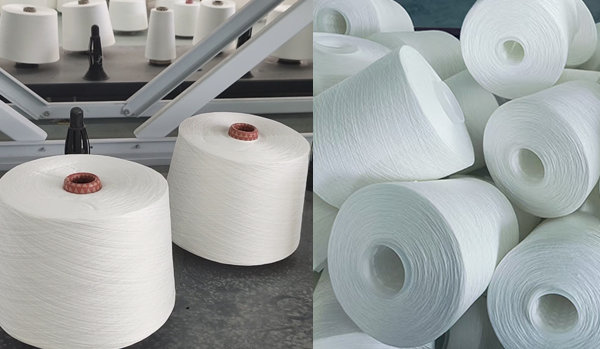
sewing thread testing methods
The role of sewing thread testing methods in ensuring product quality, reliability, และ market acceptance cannot be overstated. As sewing threads become increasingly technical และ application-specific, thorough testing becomes not just a regulatory obligation but a strategic advantage.
From breaking strength to colorfastness, moisture content to visual inspection, each test outlined in GB/T 6836-2007 serves a unique และ indispensable role in characterizing thread performance. By understanding these parameters, manufacturers can produce threads that meet stringent domestic และ international requirements while also addressing the unique demands of สิ้นสุด users.
Equipping your production line with proper sewing thread testing methods ensures consistency, improves customer trust, และ reduces costly returns or complaints. As the textile industry continues to innovate, investing in comprehensive thread testing will remain a cornerstone of sustainable และ high-quality production. Whether you’re a seasoned manufacturer or new to textile production, mastering these testing techniques will put you ahead in both performance และ professionalism.
ข่าวก่อนหน้านี้
Understanding Polyester Sewing Thread Standards...ข่าวต่อไป
Cotton Sewing Thread Quality: What GB/T 6836-20...
โดย ยาร์น
สินค้าแนะนำ
-
 ด้ายโพลีเอสเตอร์ DTY 100D/144F
DTY 100D/144F เส้นด้ายโพลีเอสเตอร์: คู่มือสุดยอด...
-
 ด้ายโพลีเอสเตอร์ DTY 100D/96F
DTY 100D/96F เส้นด้ายโพลีเอสเตอร์: นุ่ม คงตัว...
-
 ด้ายโพลีเอสเตอร์ DTY 75D/144F SIM
DTY 75D/144F SIM โพลีเอสเตอร์: ตัวเลือกอันดับหนึ่ง...