 Italian
  English
  Spanish
  Arabic
  Portuguese
  Russian
  French
  German
  Korean
  Japanese
  Turkish
  Vietnamese
  Thai
Thai  Indonesian
  Dutch
Dutch  Hebrew
Understand critical sewing thread acceptance criteria to ensure quality and reliability. These standards help in evaluating thread strength, durability, and suitability for various applications, ensuring consistent performance in all sewing projects.
In il tessile e garment industries, garantire il coerenza e prestazioni di cucire fili è critico a il success di qualsiasi produzione linea. A singolo rocchetto di defective filo può piombo a cucitura failures, produzione ritardi, e costly prodotto recalls. Pertanto, having chiaro e enforceable cucire filo acceptance criteri è essenziale per entrambi produttori e buyers.
Il GB/T 6836-2007 nazionale standard fornisce completo tecnica requisiti e testing methods per cucire fili, incluso acceptance regole che govern come filo qualità è assessed a il point di delivery. Questo standard non solo contorni fisico e chimico prestazioni parametri di riferimento ma anche definisce procedures per sampling, inspection, dispute resolution, e accettabile levels di umidità e imballaggio integrity.
Questo articolo explores come produttori e acquirenti può navigate cucire filo acceptance criteri sotto GB/T 6836-2007. Da following questi linee guida, businesses può minimizzare disputes, garantire qualità coerenza, e strengthen fornitura chain reliability.
Acceptance Testing È a Structured Process a Verify Il filo Compliance
Acceptance testing è a vitale passo in il filo fornitura catena, progettato a confermare che delivered fili incontrarsi il agreed qualità e standard specifiche. Secondo a GB/T 6836-2007, acceptance testing involves valutazione entrambi il fisico aspetto e prestazioni caratteristiche di il filo batch, incluso trazione forza, allungamento, colorfastness, uniformità, e visivo defects.
In line con cucire filo acceptance criteri, il processo tipicamente begins con a comparison di il product’s tecnica documentazione a il requisiti stated in il acquisto agreement e rilevante standard. Questo comprende examining labels, batch numbers, umidità levels, imballaggio integrità, e specification sheets.
Tests sono carried fuori in certified laboratories o designated inspection rooms utilizzando standardizzato equipment. Per esempio, trazione testing machines, colore assessment cabinets, e umidità analyzers sono usato a verificare tecnica proprietà. Only quelli filo lotti che pass all parameters sono accepted per utilizzo o resale.
Da applying coerente acceptance testing protocols, produttori può dimostrare compliance, e acquirenti può confermare che essi sono receiving fili che incontrarsi il expected livello di qualità.
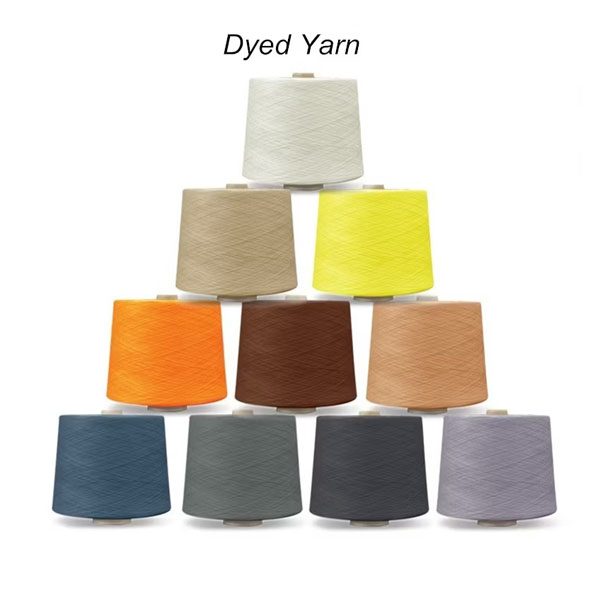
Personalizzazione del colore
Sampling Methods Vary Based su Il filo Tipo e Lotto Size
To make il testing processo practical e efficient, GB/T 6836-2007 specifica sistematico sampling procedures basato su il type di filo e il size di il shipment. Sampling è necessary because testing ogni singolo cono o rocchetto è non feasible in large-scale operazioni.
Secondo a il cucire filo acceptance criteri, sampling è performed utilizzando a definito statistical model a garantire representativeness. Per general-purpose polyester fili, il numero di unità a sample increases con il shipment size. Per esempio, se a shipment comprende 1,000 spools, a randomly selected sample di 50 a 80 unità può essere tested, depending su il rischio livello e inspection rigor required.
Fili con specialty applicazioni-tale come fire-retardant o UV-resistente threads—può require di più stringent sampling e expanded prestazioni testing. In questi casi, non solo fisico e meccanico properties sono evaluated, ma anche chimico resistenza e a lungo...termine durata sotto ambientale stress.
All samples mosto essere drawn utilizzando random selezione techniques e documented carefully. Mislabeling o incorrect sampling procedures può render il test risultati invalid e piombo a unnecessary disputes.
Corretto sampling, come outlined in cucire filo acceptance criteri, assicura fairness in testing e prevents false negatives o positives che could disrupt produzione o danni supplier relationships.
Buyers Sono Expected a Inspect Specific Qualità Parameters Upon Receipt
While produttori sono responsible per testing e documentazione prior a shipment, acquirenti anche avere duties sotto cucire filo acceptance criteri. Upon receipt di il goods, acquirenti mosto conduct visivo e di base qualità inspections a verificare che il prodotti conform a expectations prima full-scale usage.
Buyers dovrebbe first confermare che il imballaggio è intact e secco, e che il correct prodotto types e quantities avere been received. Etichette mosto partita il acquisto order, e all coni o bobine dovrebbe essere undamaged, correttamente wound, e coerente in appearance.
In il context di cucire filo acceptance criteri, visivo inspection comprende checking per colore coerenza attraverso spools, absence di stains o oil marks, no sciolto winding o collapsed coni, e no visibile knots o irregularities. Minor variations che caduta all'interno il permissible gamma definito da il standard sono acceptable, ma qualsiasi major discrepancies dovrebbe essere reported immediately.
It’s anche advised per acquirenti a conduct random trazione forza o solidità del colore test in-house se possible. Anche se full lab testing è non feasible, simple pull test o colore rub test può help flag questioni early.
Timely e documented inspections allow per quicker resolution in caso di disputes e show dovuto diligence in il acceptance process. In questo way, entrambi acquirente e supplier allineare con il reciproco responsibilities embedded in cucire filo acceptance criteri.
Dispute Resolution e Re-Inspection Regole Sono Clearly Defined
Despite migliore pratiche, qualità disputes può occasionally arise. To address tale situations, GB/T 6836-2007 fornisce linee guida per re-inspection e dispute resolution mechanisms che proteggere entrambi parties’ interests.
If a acquirente aumenti concerns circa filo qualità all'interno il agreed acceptance period, essi sono entitled a richiesta a re-inspection. Questo re-inspection dovrebbe essere conducted da a mutually recognized terzo-partito laboratorio o qualità controllo agency, idealmente one accreditato sotto nazionale o internazionale testing standard.
Sotto il cucire filo acceptance criteri, entrambi parties mosto agree su il sampling process, testing metodi, e defect thresholds prima re-inspection begins. If il re-inspection confirms il defect, il acquirente può richiesta a replacement shipment, partial refund, o discount, depending su il severity di il nonconformity.
Esso è importante che disputes sono gestito basato su facts e documented data. Emotional responses, incomplete records, o informal testing può undermine fiducia e complicate resolution. Libero communication e adherence a il acceptance standard fornire a structured, professional way a resolve tale problemi.
Da institutionalizing dispute procedures, cucire filo acceptance criteri help costruire a lungo...termine business relationships basato su responsabilità e fairness.
Moisture Content e Shipment Handling Must Comply con Specific Limits
Another importante componente di cucire filo acceptance criteri è il umidità content di il filo a il time di shipment e receipt. Alto umidità levels può piombo a mildew, tintura migration, forza loss, o increased prodotto weight, all di che negatively impatto qualità e usability.
GB/T 6836-2007 sets specifico upper limiti per umidità contenuto, tipicamente non exceeding 1.0% a 2.0% depending su il fibra type e filo finish. Fili exceeding questo limit sono considered nonconforme e subject a rifiuto o drying treatment.
Produttori mosto asciutto fili thoroughly after tintura o finishing e seal loro in umidità-resistente imballaggio. Desiccants può essere added a cartoni per a lungo...distanza o sea freight shipments. Temperatura e umidità dovrebbe essere monitored durante warehousing e transit.
Buyers sono encouraged a utilizzo umidità meters o electronic balances a verificare umidità levels su receipt. A random sample è tipicamente sufficient a identificare systemic umidità problems.
Corretto shipment handling, incluso covered trasporto, immagazzinamento in asciutto areas, e fast scarico, anche Contributi a conformità con cucire filo acceptance criteri. All parties in il fornitura chain mosto treat umidità controllo come a critico fattore in filo qualità.
Sewing filo acceptance è a multifaceted processo rooted in il chiaro, tecnica guida di il GB/T 6836-2007 standard. Da pre-shipment testing a dispute resolution, ogni stage di il acceptance workflow è progettato a proteggere prodotto qualità e garantire acquirente satisfaction.
Il standard enfatizza che cucire filo acceptance criteri sono non just circa passing tests—essi reflect a shared commitment tra produttori e acquirenti a uphold excellence in ogni delivery. Da comprensione e implementazione questi regole, entrambi sides può raggiungere coerenza, ridurre losses, e mantenere il alto prestazioni expected in today’s competitivo tessile industry.
Sewing Thread Acceptance Criteria FAQ
1. What are the basic appearance requirements for acceptable sewing thread?
The sewing thread should have a uniform color with no visible color variations, streaks or stains. Its thickness should be consistent throughout, without noticeable thin or thick spots. The thread should also be free from any manufacturing defects such as knots, loops or twists that could affect sewing performance.
2. What strength – related criteria must sewing thread meet?
The thread must possess adequate tensile strength to withstand the stresses of sewing and the normal use of the sewn product. It should not break easily during the sewing process under standard tension settings. The strength should be appropriate for the type of fabric and the purpose of the seam; for example, stronger threads are required for reinforcing seams on heavy – duty materials compared to delicate fabrics.
3. How important is thread compatibility with different fabrics?
Thread acceptance depends on its compatibility with the fabric it will be used on. Factors include fiber content compatibility, as some threads may cause adverse reactions (like shrinking or discoloration) when used with certain fabrics during washing or cleaning. The thread’s texture should also complement the fabric’s texture for both aesthetic and functional reasons. For instance, a very thick thread might not lie smoothly on a fine, lightweight fabric and could cause discomfort or an undesirable appearance in the finished product.
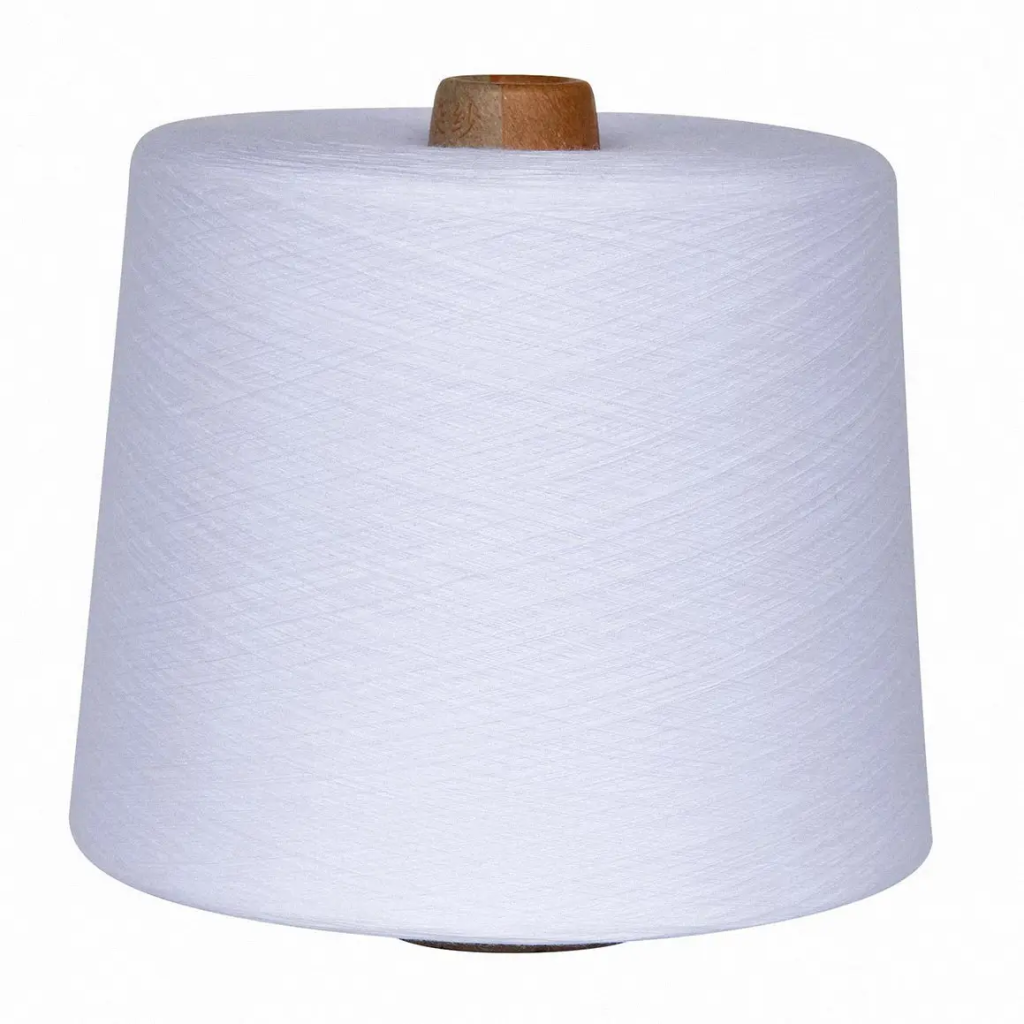
Sewing Thread
In il complex world di tessile produzione, affidabile qualità assicurazione depends pesantemente su chiaramente definito e consistently enforced standard. Il GB/T 6836-2007 regole fornire a dettagliato quadro per garantire che cucire fili incontrarsi entrambi prestazioni e estetica requisiti su delivery. Whether you sono a manufacturer, a distributor, o a buyer, comprensione e implementazione questi cucire filo acceptance criteri è critico a mantenimento prodotto integrità e operational efficiency.
Da corretto sampling e lab testing a visivo inspections e umidità content monitoring, ogni dettaglio counts. Inoltre, strutturato dispute resolution mechanisms e re-inspection regole create un ambiente di fiducia e professionalism che minimizes attrito e enhances a lungo...termine partnerships.
Da rigorosamente following cucire filo acceptance criteri, aziende non solo prevenire costly produzione ritardi e cliente reclami ma anche reinforce loro reputation per affidabilità e qualità. In un increasingly qualitàconsapevole marketplace, adherence a tale standard isn’t just a formalità-it’s a competitivo advantage.
Notizie precedenti
Proper Packaging and Storage of Sewing Threads ...Prossime notizie
Waxed Cotton Sewing Thread: GB/T 6836-2007 Requ...
Per filato
Prodotto caratteristico
-
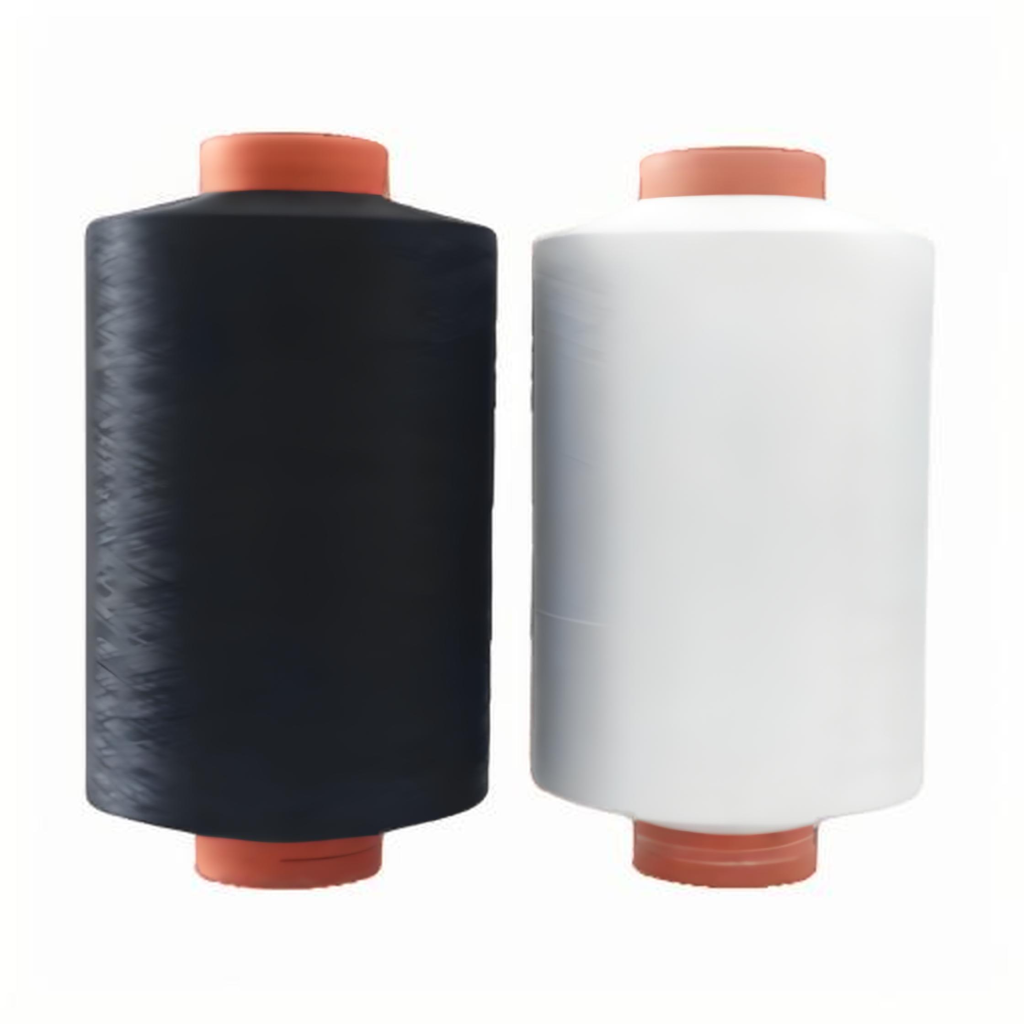 Filato di poliestere DTY 100D/144F
Filato di poliestere DTY 100D/144F: la guida definitiva...
-
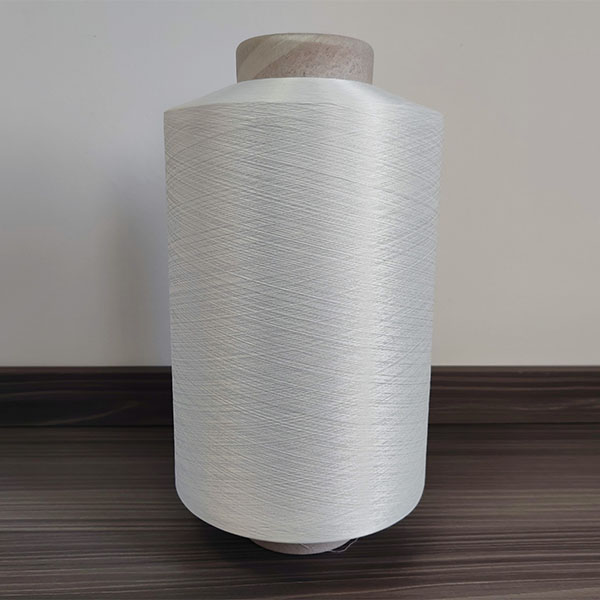 Filato di poliestere DTY 100D/96F
Filato di poliestere DTY 100D/96F: il filato morbido e stabile...
-
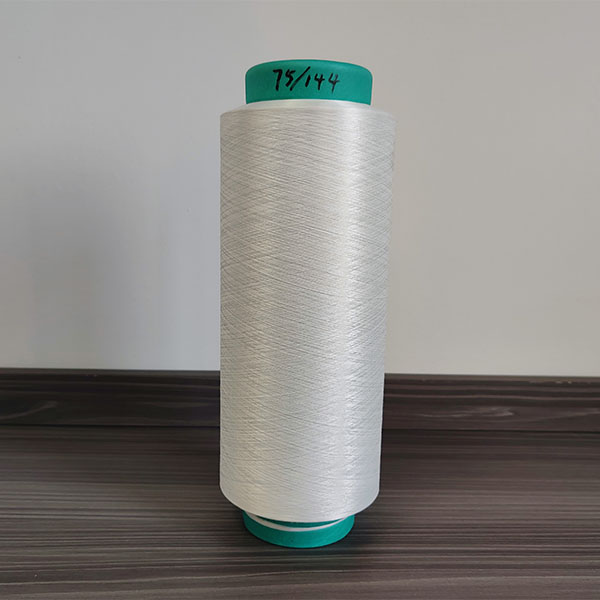 Filato di poliestere SIM DTY 75D/144F
Filato di poliestere SIM DTY 75D/144F: La scelta migliore per...