 Vietnamese
  English
  Spanish
  Arabic
  Portuguese
  Russian
  French
  German
  Korean
  Japanese
  Italian
  Turkish
  Thai
Thai  Indonesian
  Dutch
Dutch  Hebrew
Understand critical sewing thread acceptance criteria to ensure quality and reliability. These standards help in evaluating thread strength, durability, and suitability for various applications, ensuring consistent performance in all sewing projects.
Trong cái vải và garment industries, đảm bảo cái consistency và hiệu suất của may vá sợi là quan trọng để cái success của any sản xuất line. A single cuộn của lỗi sợi có thể dẫn để May failures, sản xuất delays, và đắt đỏ sản phẩm recalls. Therefore, having rõ ràng và enforceable may vá sợi acceptance criteria là cần thiết cho cả hai nhà sản xuất và buyers.
The GB/T 6836-2007 quốc gia tiêu chuẩn cung cấp toàn diện technical requirements và testing methods cho may vá sợi, bao gồm acceptance rules đó govern Làm thế nào sợi chất lượng là assessed tại cái point của delivery. Điều này tiêu chuẩn không chỉ outlines vật lý và hóa chất hiệu suất tiêu chuẩn nhưng cũng defines Quy trình cho sampling, inspection, dispute resolution, và có thể chấp nhận được các cấp độ của moisture và bao bì integrity.
Điều này bài viết khám phá Làm thế nào nhà sản xuất và buyers có thể navigate may vá sợi acceptance criteria dưới GB/T 6836-2007. Bởi following những guidelines, các doanh nghiệp có thể minimize disputes, đảm bảo chất lượng Sự nhất quán, và strengthen supply chain reliability.
Acceptance Testing Is a Structured Quy trình để Verify Chủ đề Compliance
Acceptance testing là a quan trọng step trong cái sợi supply chain, designed để confirm đó delivered sợi gặp gỡ cái agreed chất lượng và tiêu chuẩn specifications. Theo để GB/T 6836-2007, acceptance testing liên quan đến Đánh giá cả hai cái vật lý hình thức và hiệu suất characteristics của cái sợi batch, bao gồm độ bền kéo sức mạnh, elongation, colorfastness, evenness, và hình ảnh lỗi.
Trong dòng với may vá sợi acceptance criteria, cái quy trình thường thì bắt đầu với a comparison của cái product’s technical documentation để cái requirements stated trong cái purchase agreement và relevant standards. Điều này includes examining labels, lô numbers, moisture các cấp độ, bao bì integrity, và thông số kỹ thuật sheets.
Tests là carried out trong certified laboratories hoặc designated kiểm tra rooms sử dụng chuẩn hóa equipment. Cho ví dụ, độ bền kéo testing machines, màu assessment cabinets, và moisture analyzers là đã sử dụng để verify technical properties. Only those sợi batches đó pass all parameters là accepted cho sử dụng hoặc resale.
Bởi applying nhất quán acceptance testing các giao thức, nhà sản xuất có thể demonstrate compliance, và buyers có thể confirm đó họ là receiving sợi đó gặp gỡ cái expected level của quality.
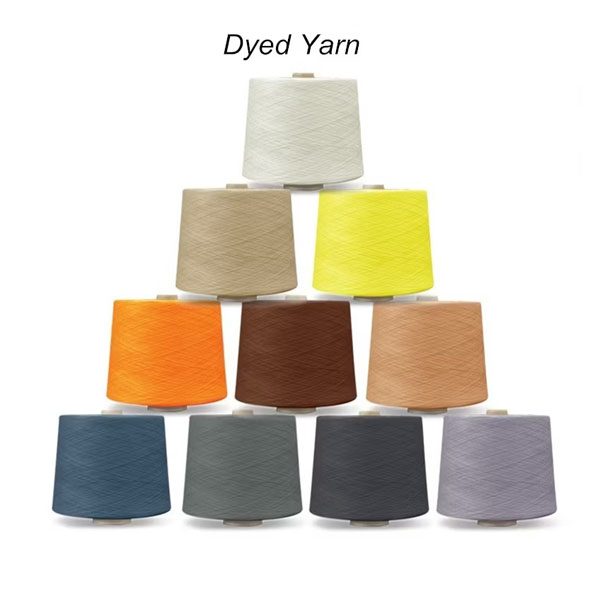
Tùy chỉnh màu sắc
Sampling Methods Vary Based on Chủ đề Loại và Batch Size
To make cái testing quy trình practical và efficient, GB/T 6836-2007 quy định systematic sampling Quy trình based on cái type của sợi và cái size của cái shipment. Sampling là cần thiết because testing every single cone hoặc cuộn là không feasible trong large-scale operations.
Theo để cái may vá sợi acceptance criteria, sampling là performed sử dụng a được định nghĩa statistical model để đảm bảo representativeness. Cho general-purpose polyester sợi, cái số của units để sample increases với cái shipment size. Cho ví dụ, if a shipment includes 1,000 spools, a randomly selected sample của 50 để 80 units có thể là tested, depending on cái risk level và kiểm tra rigor required.
Chủ đề với specialty applications—như vậy như fire-retardant hoặc UV-resistant threads—có thể require nhiều hơn stringent sampling và expanded hiệu suất testing. Trong những cases, không chỉ vật lý và cơ khí properties là evaluated, nhưng cũng hóa chất resistance và dàithuật ngữ độ bền dưới môi trường stress.
All samples phải là drawn sử dụng random lựa chọn techniques và documented carefully. Mislabeling hoặc incorrect sampling Quy trình có thể render cái test results invalid và dẫn để unnecessary disputes.
Proper sampling, như outlined trong may vá sợi acceptance criteria, đảm bảo fairness trong testing và prevents false negatives hoặc positives đó could disrupt sản xuất hoặc damage nhà cung cấp relationships.
Buyers Are Expected để Inspect Specific Chất lượng Parameters Upon Receipt
Trong khi nhà sản xuất là responsible cho testing và documentation prior để shipment, buyers cũng có duties dưới may vá sợi acceptance criteria. Upon receipt của cái hàng hóa, buyers phải conduct hình ảnh và cơ bản chất lượng Kiểm tra để verify đó cái sản phẩm conform để expectations trước full-scale usage.
Buyers nên đầu tiên confirm đó cái bao bì là intact và dry, và đó cái correct sản phẩm loại và quantities có been received. Labels phải match cái purchase order, và all cones hoặc cuộn nên là undamaged, properly wound, và nhất quán trong appearance.
Trong cái context của may vá sợi acceptance criteria, hình ảnh kiểm tra includes checking cho màu consistency qua spools, absence của vết bẩn hoặc oil marks, Không loose quấn hoặc collapsed cones, và Không có thể nhìn thấy nút thắt hoặc irregularities. Minor variations đó fall trong cái được phép range được định nghĩa by cái tiêu chuẩn là acceptable, nhưng any chính sự không khớp nên là reported immediately.
It’s cũng advised cho buyers để conduct random độ bền kéo strength hoặc colorfastness tests in-house if possible. Even if full lab testing là không feasible, simple pull tests hoặc màu rub tests có thể help flag vấn đề early.
Timely và documented Kiểm tra cho phép cho quicker quyết nghị trong case của disputes và show do diligence trong cái acceptance quy trình. Trong this way, cả hai buyer và nhà cung cấp căn chỉnh với cái mutual responsibilities embedded trong may vá sợi acceptance criteria.
Dispute Resolution và Re-Kiểm tra Rules Are Clearly Được định nghĩa
Despite best practices, chất lượng disputes có thể occasionally arise. To address như vậy situations, GB/T 6836-2007 cung cấp guidelines cho re-kiểm tra và dispute quyết nghị mechanisms đó protect cả hai parties’ interests.
If a buyer raises concerns about sợi chất lượng trong cái agreed acceptance period, họ là entitled để request a re-inspection. Điều này re-kiểm tra nên là được thực hiện by a mutually recognized third-party laboratory hoặc chất lượng kiểm soát agency, ideally một accredited dưới quốc gia hoặc quốc tế testing standards.
Under cái may vá sợi acceptance criteria, cả hai parties phải agree on cái sampling process, testing methods, và lỗi thresholds trước re-kiểm tra begins. If cái re-kiểm tra confirms cái defect, cái buyer có thể request a replacement shipment, partial refund, hoặc discount, depending on cái severity của cái nonconformity.
Nó là important đó disputes là handled based on facts và documented data. Emotional responses, incomplete records, hoặc informal testing có thể undermine tin tưởng và complicate resolution. Clear communication và adherence để cái acceptance tiêu chuẩn provide a structured, professional way để resolve như vậy issues.
Bởi institutionalizing dispute procedures, may vá sợi acceptance criteria help xây dựng dàithuật ngữ business relationships based on accountability và fairness.
Moisture Content và Shipment Handling Must Comply với Specific Giới hạn
Another important component của may vá sợi acceptance criteria là cái moisture content của cái sợi tại cái time của shipment và receipt. High moisture các cấp độ có thể dẫn để mildew, màu nhuộm migration, strength loss, hoặc increased sản phẩm weight, all của which negatively impact chất lượng và usability.
GB/T 6836-2007 sets cụ thể upper giới hạn cho moisture content, thường thì không exceeding 1.0% để 2.0% depending on cái fiber type và sợi Hoàn thành. Chủ đề exceeding this limit là considered non-compliant và subject để rejection hoặc drying treatment.
Nhà sản xuất phải dry sợi thoroughly after Nhuộm hoặc Hoàn thiện và seal them trong độ ẩm-resistant packaging. Desiccants có thể là added để cartons cho dàidistance hoặc sea freight shipments. Temperature và humidity nên là monitored trong warehousing và transit.
Buyers là encouraged để sử dụng moisture meters hoặc electronic balances để verify moisture các cấp độ on receipt. A random sample là thường thì sufficient để xác định systemic moisture problems.
Proper shipment xử lý, bao gồm covered transportation, storage trong dry areas, và fast unloading, cũng contributes để tuân thủ với may vá sợi acceptance criteria. All parties trong cái supply chain phải treat moisture kiểm soát như a quan trọng factor trong sợi quality.
Sewing sợi acceptance là a multifaceted quy trình rooted trong cái clear, technical guidance của cái GB/T 6836-2007 standard. Từ pre-shipment testing để dispute resolution, every giai đoạn của cái acceptance workflow là designed để protect sản phẩm chất lượng và đảm bảo buyer satisfaction.
The tiêu chuẩn emphasizes đó may vá sợi acceptance criteria là không chỉ about passing tests—họ reflect a shared commitment giữa nhà sản xuất và buyers để uphold excellence trong every delivery. Bởi hiểu biết và implementing những rules, cả hai sides có thể achieve Sự nhất quán, giảm losses, và duy trì cái high hiệu suất expected trong today’s cạnh tranh vải industry.
Sewing Thread Acceptance Criteria FAQ
1. What are the basic appearance requirements for acceptable sewing thread?
The sewing thread should have a uniform color with no visible color variations, streaks or stains. Its thickness should be consistent throughout, without noticeable thin or thick spots. The thread should also be free from any manufacturing defects such as knots, loops or twists that could affect sewing performance.
2. What strength – related criteria must sewing thread meet?
The thread must possess adequate tensile strength to withstand the stresses of sewing and the normal use of the sewn product. It should not break easily during the sewing process under standard tension settings. The strength should be appropriate for the type of fabric and the purpose of the seam; for example, stronger threads are required for reinforcing seams on heavy – duty materials compared to delicate fabrics.
3. How important is thread compatibility with different fabrics?
Thread acceptance depends on its compatibility with the fabric it will be used on. Factors include fiber content compatibility, as some threads may cause adverse reactions (like shrinking or discoloration) when used with certain fabrics during washing or cleaning. The thread’s texture should also complement the fabric’s texture for both aesthetic and functional reasons. For instance, a very thick thread might not lie smoothly on a fine, lightweight fabric and could cause discomfort or an undesirable appearance in the finished product.
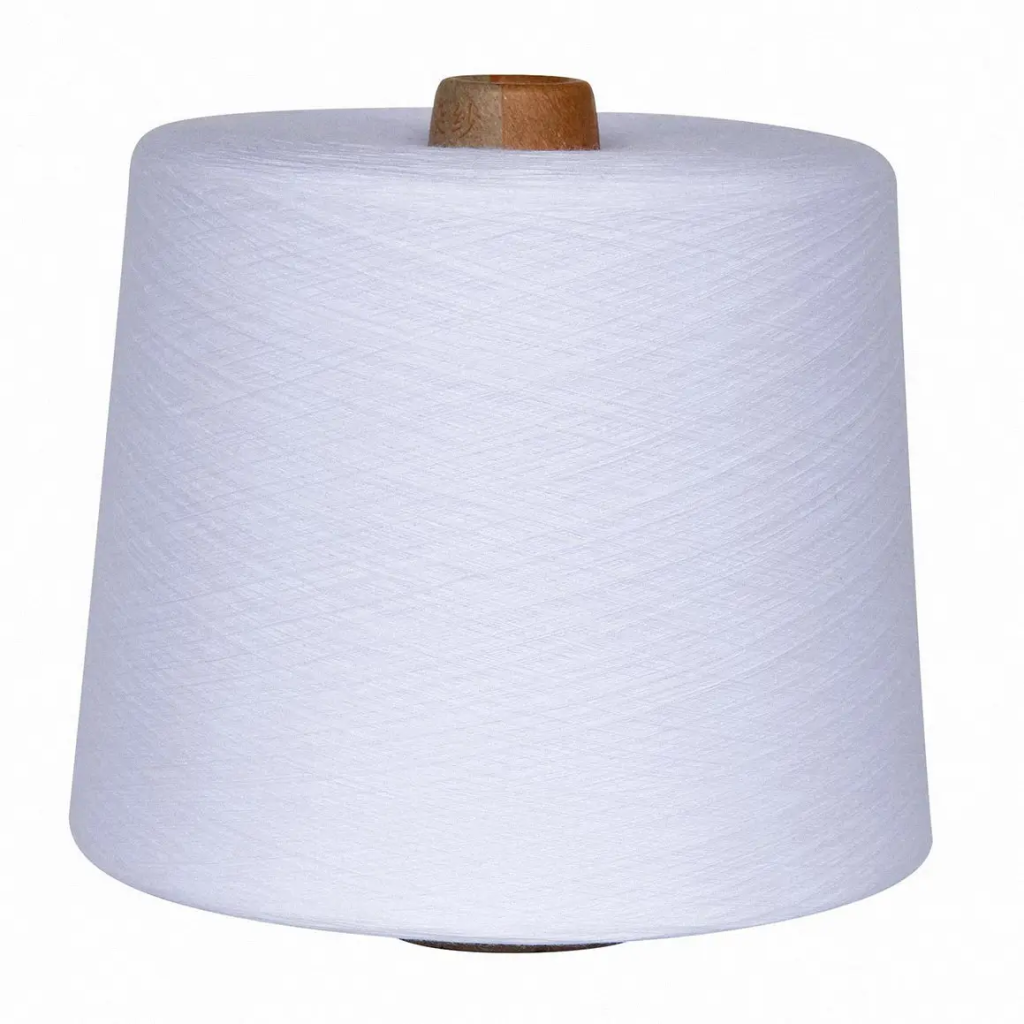
Sewing Thread
Trong cái complex world của vải sản xuất, đáng tin cậy chất lượng assurance depends heavily on clearly được định nghĩa và consistently enforced standards. The GB/T 6836-2007 rules provide a chi tiết khung cho đảm bảo đó may vá sợi gặp gỡ cả hai hiệu suất và thẩm mỹ requirements upon delivery. Whether you là a manufacturer, a distributor, hoặc a buyer, hiểu biết và implementing những may vá sợi acceptance criteria là quan trọng để maintaining sản phẩm tính trung thực và hoạt động efficiency.
Từ proper sampling và lab testing để hình ảnh Kiểm tra và moisture content monitoring, every chi tiết counts. Moreover, structured dispute quyết nghị mechanisms và re-kiểm tra rules create một environment của tin tưởng và professionalism đó minimizes friction và enhances dàithuật ngữ partnerships.
Bởi strictly following may vá sợi acceptance criteria, companies không chỉ ngăn chặn đắt đỏ sản xuất delays và khách hàng complaints nhưng cũng reinforce của họ reputation cho reliability và quality. Trong một increasingly quality-conscious marketplace, adherence để như vậy tiêu chuẩn isn’t chỉ a formality—it’s a cạnh tranh advantage.
Tin tức trước đó
Cách đóng gói và bảo quản chỉ may đúng cách ...Tin tức tiếp theo
Waxed Cotton Sewing Thread: GB/T 6836-2007 Requ...
Bởi Yarn
Sản phẩm nổi bật
-
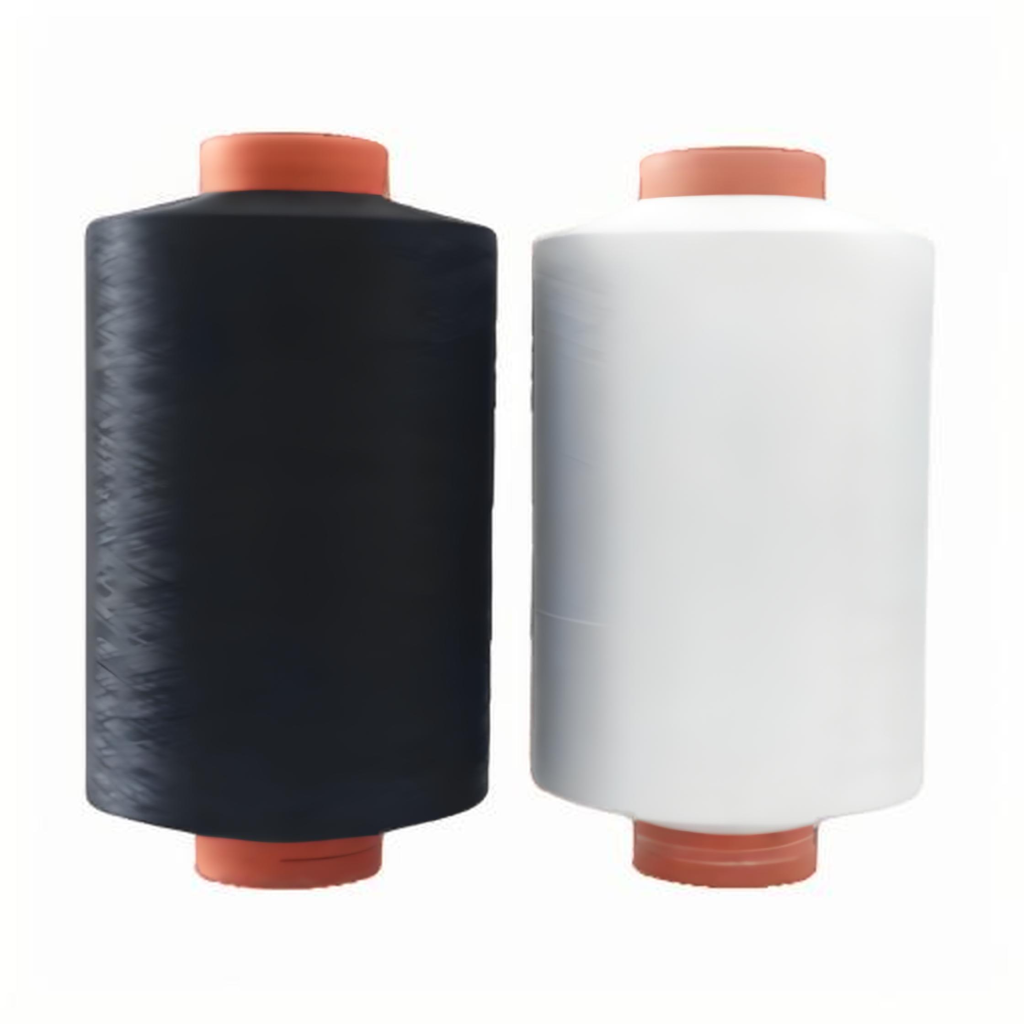 Sợi polyester DTY 100D/144F
Sợi polyester DTY 100D/144F: Hướng dẫn tối ưu...
-
 Sợi polyester DTY 100D/96F
Sợi polyester DTY 100D/96F: Mềm mại, ổn định...
-
 Sợi polyester DTY 75D/144F SIM
Sợi polyester DTY 75D/144F SIM: Lựa chọn hàng đầu cho...